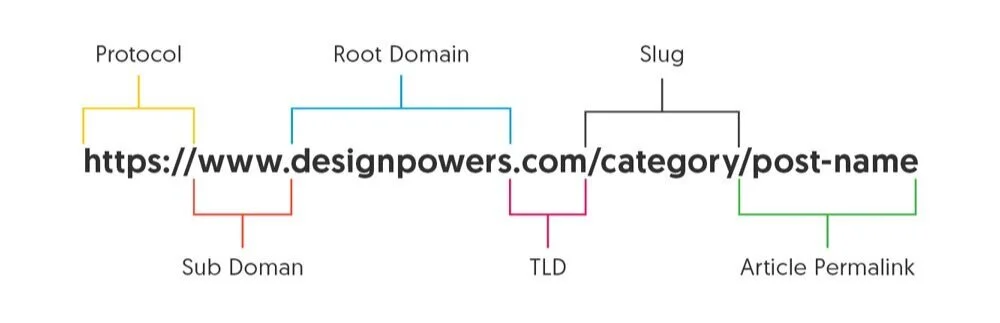
URL structure plays a critical role in how search engines crawl, understand, and rank your website. For large content sites, a clean and logical URL structure improves scalability and long-term SEO performance.
This advanced guide explains how to structure URLs for large content websites without creating crawl issues or index bloat.
Why URL Structure Matters for SEO
- Improves crawl efficiency
- Clarifies content hierarchy
- Supports internal linking
- Prevents duplication and confusion
Common URL Structure Problems
- Deep nested URLs
- Dynamic parameters
- Inconsistent naming
- Unnecessary folders
SEO-Friendly URL Structure Explained
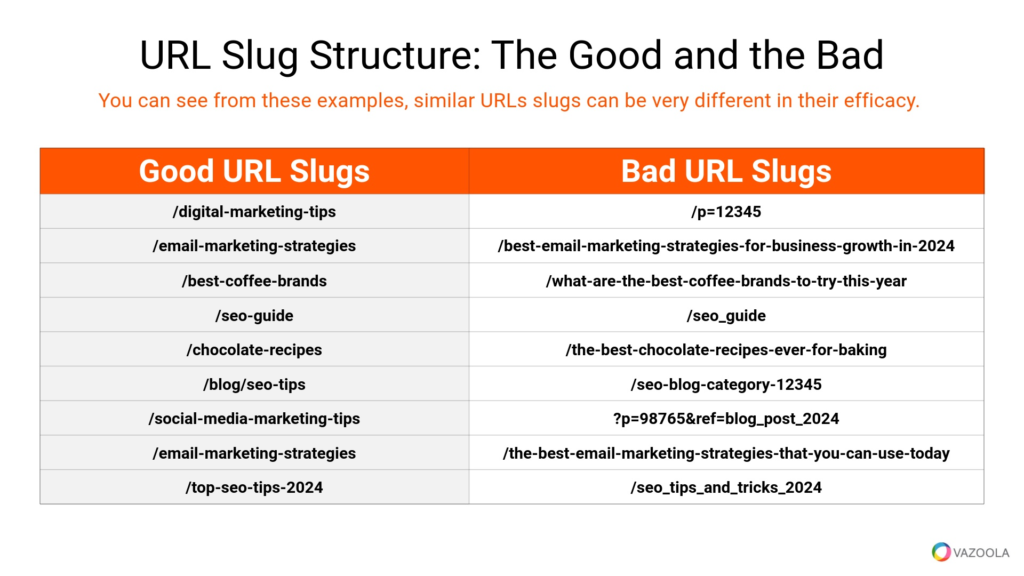
Flat vs Deep URL Structure
Flat URL structures reduce crawl depth and improve discoverability.
Logical Hierarchy
URLs should reflect content relationships clearly.
Best Practices for Structuring URLs
1. Keep URLs Short and Descriptive
Avoid unnecessary words and parameters.
2. Use Hyphens, Not Underscores
Hyphens improve readability and SEO.
3. Avoid Dates in URLs
Dates reduce content longevity.
4. Maintain Consistent Structure
Consistency helps scaling and indexing.
5. Avoid Keyword Stuffing
Use natural, readable keywords.
6. Control Trailing Slashes
Choose one version and stick to it.
7. Prevent URL Parameter Explosion
Limit filters and tracking parameters.
8. Handle Category URLs Carefully
Align URL structure with site architecture.
9. Use Redirects When Changing URLs
Always redirect old URLs properly.
URL Structure for Blogs vs Large Sites
| Small Blog | Large Content Site |
|---|---|
| Simple structure | Scalable hierarchy |
| Few categories | Multiple content hubs |
| Minimal parameters | Strict parameter control |
URL Changes: When and How
- Change URLs only when necessary
- Use 301 redirects
- Update internal links
- Resubmit sitemaps
Final Thoughts
URL structure is foundational SEO work. Get it right early, and scaling becomes easy. Get it wrong, and SEO issues multiply over time.
Clean URLs support long-term SEO success.