
Search engines play a critical role in how people discover information online. Every day, billions of searches are performed, connecting users with websites that best match their intent.
This article explains how search engines understand websites, how content is discovered and evaluated, and why this process matters for website owners and businesses.
What Are Search Engines?
Search engines are online systems that help users find information on the internet. They collect, organize, and retrieve web content to answer user queries.
Search engines rely on automated systems rather than human review to evaluate websites at scale.
Why Understanding Search Engines Matters
Websites that align with how search engines work are more likely to be discovered by users. Understanding this process helps improve visibility, accessibility, and user experience.
How Search Engines Discover Websites
Search engines use automated programs called crawlers to find new and updated content across the web.
How Search Engines Process Websites
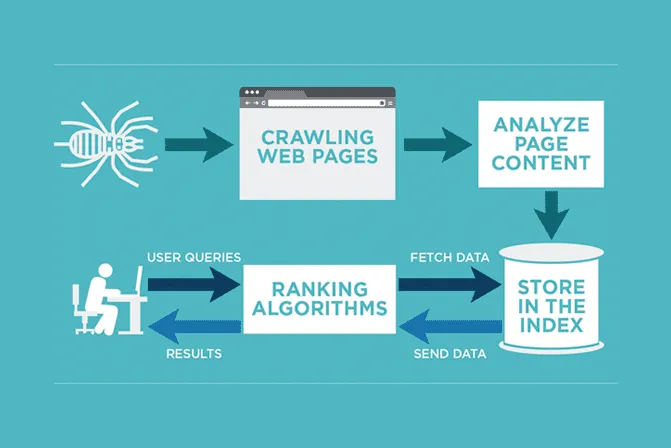
Crawling
Crawling is the process of discovering web pages. Crawlers follow links from one page to another, collecting information.
Indexing
Indexing involves storing and organizing content so it can be retrieved later. Indexed pages are analyzed for text, structure, and relevance.
Ranking
Ranking determines the order in which pages appear in search results based on relevance and quality signals.
What Search Engines Look for in Websites
- Clear content structure
- Relevant and useful information
- Good user experience
- Mobile accessibility
- Page performance and speed
Role of Content in Search Visibility
High-quality content helps search engines understand the topic and purpose of a website. Well-written content improves relevance and engagement.
Search Intent Explained
Search engines aim to match results with user intent, whether informational, navigational, or transactional.
On-Page Factors Search Engines Evaluate
- Page titles and headings
- Content organization
- Internal linking
- Media usage
Off-Page Signals and Authority
Search engines consider signals from outside the website, such as references and mentions, to assess credibility.
Search Engines and User Experience
User behavior, accessibility, and usability influence how search engines perceive a website.
Technical Factors That Affect Understanding
- Website structure
- Index accessibility
- Page load speed
- Secure connections
Search Engine Algorithms Explained
Algorithms are complex systems that evaluate many signals to determine rankings. They are updated regularly to improve result quality.
SEO vs Search Engine Understanding
| SEO | Search Engine Understanding |
|---|---|
| Optimization practices | Content interpretation |
| Website improvements | Relevance assessment |
Common SEO Myths
- Search engines read like humans
- More keywords guarantee rankings
- Search rankings never change
Why Search Engines Change Over Time
Search engines evolve to combat spam, improve accuracy, and adapt to new technologies.
Impact of Search Engines on Businesses
Visibility in search results influences traffic, credibility, and revenue opportunities.
Search Engines and the Future of Discovery
Advancements in technology continue to shape how information is found and ranked.
Final Thoughts
Search engines are complex systems designed to connect users with the most relevant information. Understanding how they interpret websites helps creators build better, more accessible content.
Aligning with search engine principles supports long-term visibility and sustainable growth.