Modern workplaces rely heavily on digital tools to manage tasks, collaborate, and maintain efficiency. From small teams to large organizations, technology plays a central role in how work is planned and executed.
This article explains how digital tools improve workplace productivity, the types of tools commonly used, and why they matter in today’s work environment.
What Is Workplace Productivity?
Workplace productivity refers to how efficiently tasks and goals are completed within a given time and resource framework. Productivity is not just about working faster, but about working smarter.
Digital tools help streamline processes, reduce manual effort, and improve coordination.
Why Digital Tools Matter at Work
As work becomes more complex and distributed, manual methods are no longer sufficient. Digital tools provide structure, visibility, and automation that support modern workflows.
Types of Digital Productivity Tools
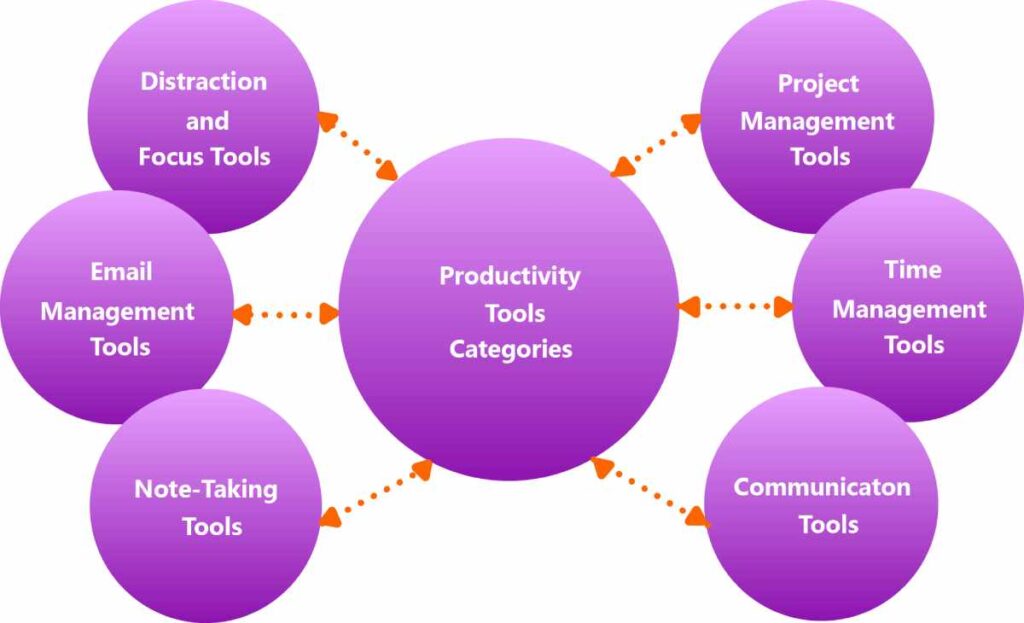
Task and Project Management Tools
These tools help organize work, track progress, and assign responsibilities across teams.
Communication and Collaboration Tools
Messaging, video conferencing, and shared workspaces improve real-time collaboration.
Document and File Management Tools
Cloud-based document systems enable easy access, sharing, and version control.
Automation and Workflow Tools
Automation reduces repetitive tasks and minimizes human error.
Time Management and Scheduling Tools
Scheduling and time tracking tools help optimize work hours and priorities.
How Digital Tools Improve Efficiency
- Reduce manual work
- Improve communication
- Increase visibility into tasks
- Enable faster decision-making
Impact on Team Collaboration
Digital tools break down communication barriers and allow teams to collaborate regardless of location.
Digital Tools and Remote Work
Remote and hybrid work models depend on digital tools for coordination and accountability.
Productivity Tools for Small Businesses
Small businesses use digital tools to operate efficiently without large teams.
Productivity Tools for Large Organizations
Enterprises rely on scalable platforms to manage complex workflows and large teams.
Digital Tools and Employee Focus
Well-designed tools help reduce distractions and improve task prioritization.
Balancing Productivity and Burnout
While tools improve efficiency, overuse can lead to overload. Balance is essential.
Productivity Metrics and Insights
Digital tools provide data and insights that help organizations identify inefficiencies.
Challenges of Using Digital Tools
- Tool overload
- Lack of training
- Resistance to change
- Integration issues
Productivity vs Efficiency
| Productivity | Efficiency |
|---|---|
| Output achieved | Resources used |
| Goal-focused | Process-focused |
Role of Leadership in Tool Adoption
Leadership plays a key role in selecting tools and guiding teams through adoption.
Future of Digital Productivity Tools
Workplace tools continue to evolve, focusing on automation, integration, and user experience.
Common Misconceptions About Productivity Tools
- More tools mean more productivity
- Tools replace human judgment
- Productivity is only about speed
Final Thoughts
Digital tools are essential for modern productivity. When used thoughtfully, they help teams work smarter, collaborate better, and achieve sustainable efficiency.
Productivity is not about doing more — it is about doing what matters most, effectively.