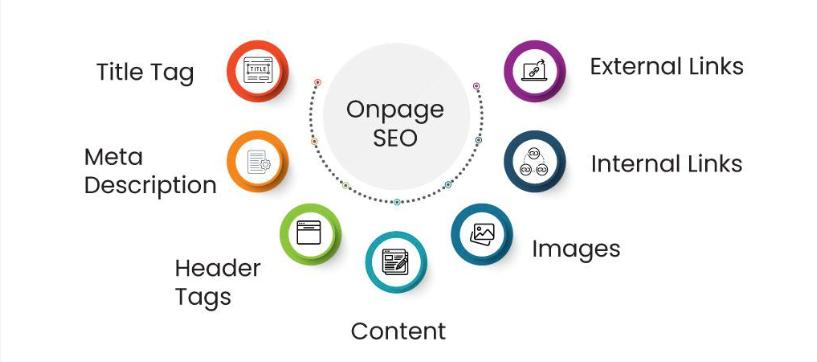
On-page SEO refers to optimizing individual pages on your website so they rank higher in search engines. Unlike off-page SEO, on-page SEO is completely within your control.
This beginner guide explains how to improve on-page SEO step by step using proven best practices.
What Is On-Page SEO?
On-page SEO involves optimizing content, HTML elements, and page structure.
Why On-Page SEO Is Important
- Improves search engine visibility
- Helps search engines understand content
- Enhances user experience
- Delivers faster SEO results
Step-by-Step On-Page SEO Checklist
1. Optimize Page Title
Include the primary keyword naturally in the title.
2. Write a Compelling Meta Description
Encourage clicks with a clear summary.
3. Use Proper Heading Structure
Organize content using H1, H2, and H3 headings.
4. Optimize URL Structure
Keep URLs short and descriptive.
5. Use Keywords Naturally
Avoid keyword stuffing.
6. Improve Content Quality
Write helpful, original, and detailed content.
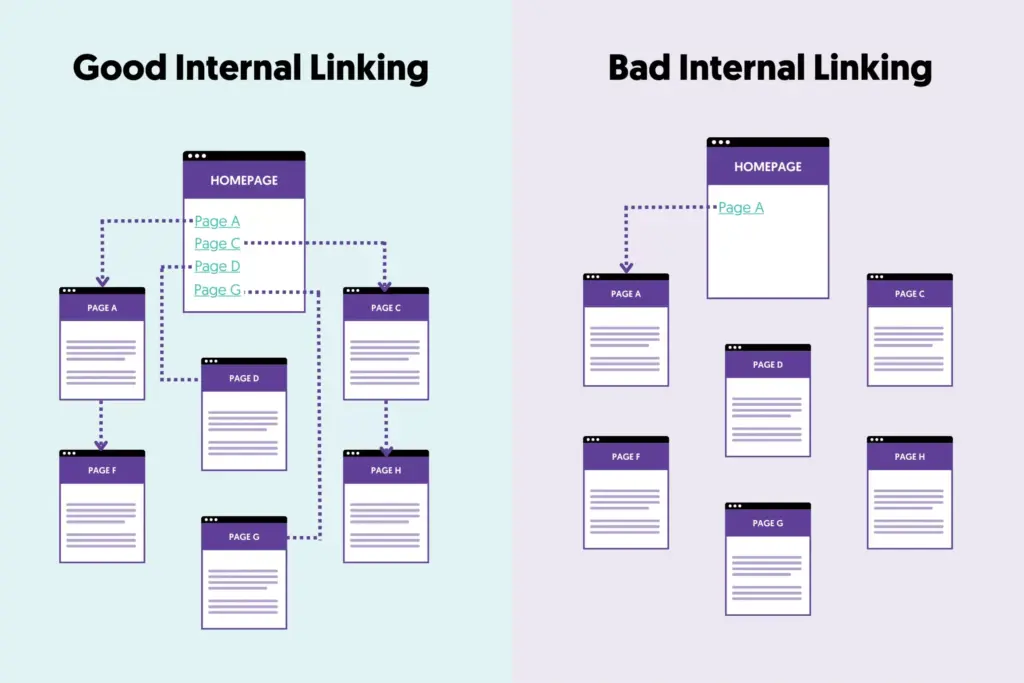
7. Add Internal Links
Link to relevant pages within your site.
8. Optimize Images
Use alt text and compressed images.
9. Improve Readability
Use short paragraphs and bullet points.
10. Add External Links
Link to trusted sources when relevant.
Common On-Page SEO Mistakes
- Over-optimization
- Ignoring user intent
- Poor content structure
Final Thoughts
Improving on-page SEO is one of the most effective ways to increase search rankings. Small optimizations across multiple pages can deliver significant long-term results.
Focus on users first, and SEO will follow.