
An SEO audit is the process of analyzing your website to identify issues that may be preventing it from ranking well in search engines. The good news is that you don’t need advanced technical skills to perform a basic SEO audit.
This beginner-friendly guide explains how to perform a basic SEO audit step by step.
What Is an SEO Audit?
An SEO audit evaluates your website’s performance, structure, and content to identify areas for improvement.
Why You Should Perform an SEO Audit
- Identify SEO issues early
- Improve website rankings
- Enhance user experience
- Increase organic traffic
Step-by-Step Basic SEO Audit Checklist
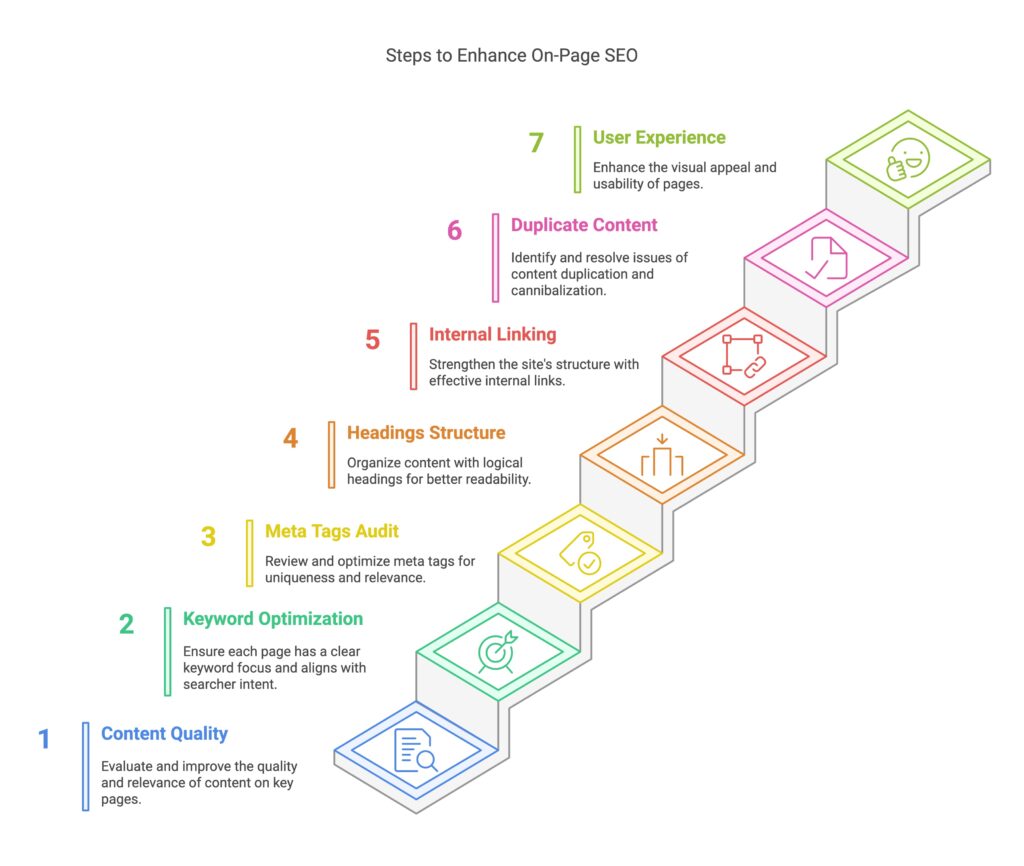
1. Check Website Indexing
Ensure your pages are indexed by search engines.
2. Review Page Titles and Meta Descriptions
Check that each page has a unique and descriptive title.
3. Analyze Content Quality
Make sure content is original, useful, and relevant.
4. Check Website Speed
Slow websites negatively affect SEO and user experience.
5. Review Mobile-Friendliness
Ensure your website works properly on mobile devices.
6. Identify Broken Links
Fix broken internal and external links.
7. Review Internal Linking
Ensure important pages are linked internally.
8. Check Image Optimization
Verify images are compressed and use alt text.
9. Review URL Structure
URLs should be clean, short, and descriptive.
How Often Should You Do an SEO Audit?
- Every 3–6 months
- After major website updates
- When traffic drops
Common SEO Audit Mistakes
- Ignoring mobile optimization
- Skipping content updates
- Not fixing errors found
Final Thoughts
A basic SEO audit helps you understand your website’s strengths and weaknesses. By fixing small issues consistently, you can improve rankings and traffic over time.
SEO success comes from regular checks and improvements.