
Data privacy has become one of the most important concerns in the digital era. Every time people browse websites, use mobile apps, shop online, or interact on social platforms, personal data is being collected, processed, and stored.
This article explains what data privacy is, why it matters, how personal information is collected, and how organizations protect user data in today’s connected world.
What Is Data Privacy?
Data privacy refers to the proper handling, processing, storage, and protection of personal information. It focuses on how data is collected, who has access to it, and how it is used.
Personal data can include names, email addresses, phone numbers, location data, browsing behavior, financial details, and more.
Why Data Privacy Matters
As digital services grow, vast amounts of personal information are stored online. Without strong data privacy practices, this information can be misused, stolen, or exposed.
Data privacy helps protect individuals from identity theft, fraud, surveillance, and misuse of personal information.
Types of Personal Data
- Identifiable data (name, email, phone number)
- Financial data (bank details, payment information)
- Location data (GPS, IP address)
- Behavioral data (browsing history, preferences)
- Device data (cookies, device identifiers)
How Personal Data Is Collected
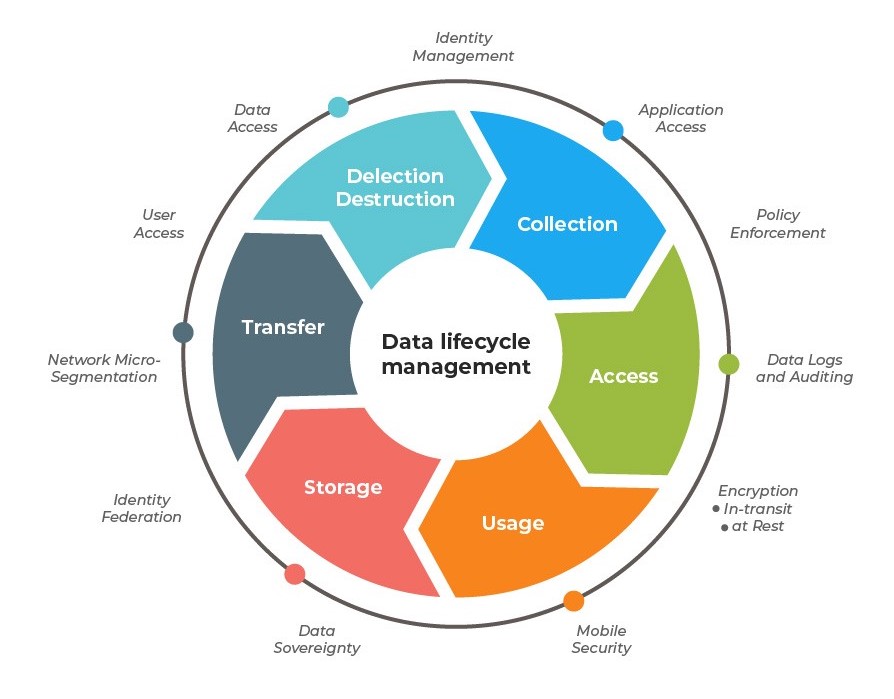
Online Forms
Websites collect data through contact forms, sign-ups, and subscriptions.
Cookies and Tracking Technologies
Cookies track user behavior, preferences, and sessions.
Mobile Applications
Apps collect data such as location, usage patterns, and device details.
Online Transactions
E-commerce platforms collect payment and delivery information.
How Companies Use Personal Data
- Providing services
- Personalizing user experiences
- Improving products
- Marketing and advertising
- Security and fraud prevention
Data Privacy vs Data Security
| Data Privacy | Data Security |
|---|---|
| Focuses on data usage | Focuses on data protection |
| Who can access data | How data is protected |
| User rights and consent | Technical safeguards |
How Organizations Protect Personal Data
Organizations use a combination of technical, administrative, and legal measures to protect personal information.
- Encryption
- Access controls
- Data minimization
- Regular audits
- Privacy policies
Common Data Privacy Risks
- Data breaches
- Unauthorized access
- Weak security practices
- Over-collection of data
Data Privacy Laws and Regulations
Many countries have introduced regulations to protect user data and hold organizations accountable for misuse.
These laws focus on transparency, user consent, and responsible data handling.
Data Privacy for Businesses
For businesses, data privacy builds trust, reduces legal risk, and strengthens brand reputation.
Data Privacy for Individuals
Individuals benefit from data privacy through greater control over personal information and reduced risk of misuse.
The Future of Data Privacy
As technology evolves, data privacy will become even more important. Emerging technologies will require stronger privacy frameworks and greater transparency.
Common Misconceptions About Data Privacy
- Data privacy means complete anonymity
- Only large companies collect data
- Privacy laws eliminate all risks
Final Thoughts
Data privacy is a shared responsibility between organizations and users. Understanding how data is collected and protected helps build a safer digital environment.
In a connected world, protecting personal information is essential for trust, security, and long-term digital growth.