Cloud computing is one of the most important technological developments of the modern digital world. It has changed how businesses operate, how individuals store data, and how software is delivered across the internet.
Despite being widely used, cloud computing is often misunderstood. Many people use cloud services daily without realizing it. This article explains cloud computing in simple terms, covering what it is, how it works, its types, benefits, limitations, and why it matters today.
What Is Cloud Computing?
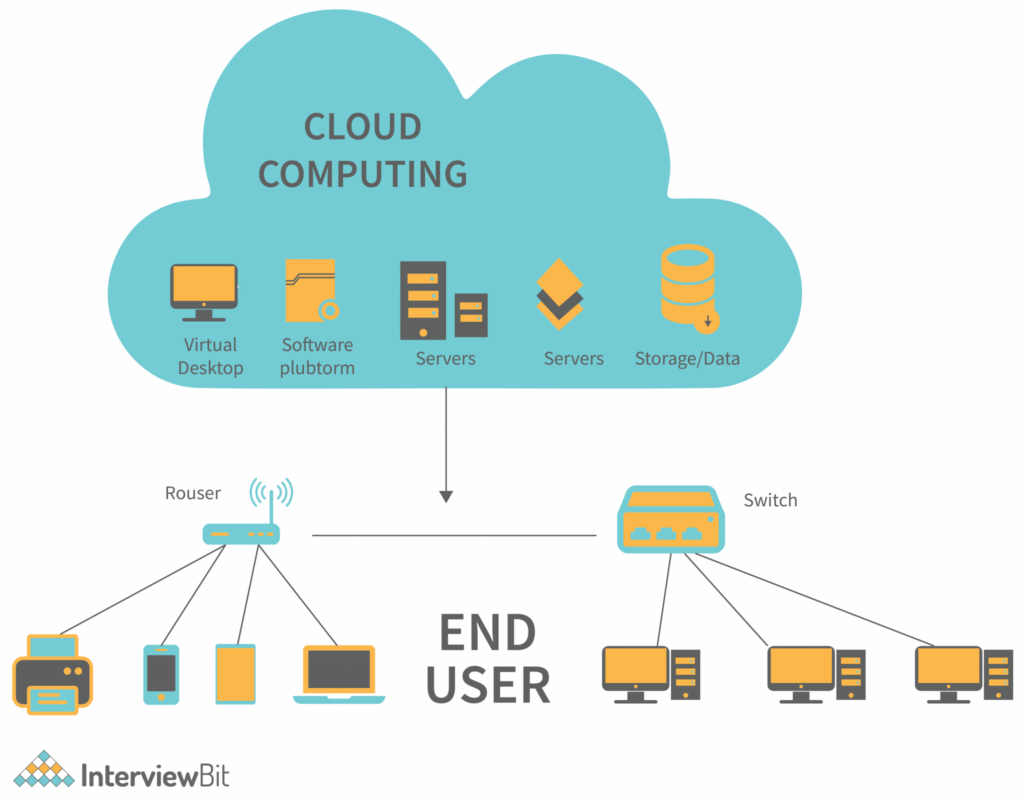
Cloud computing refers to the delivery of computing services such as servers, storage, databases, networking, software, and analytics over the internet instead of using local computers or physical servers.
Rather than owning and maintaining hardware, users access computing resources remotely through the internet. These resources are hosted in large data centers managed by cloud service providers.
How Cloud Computing Works
Cloud computing works by storing data and running applications on remote servers instead of local machines. When a user accesses a cloud service, their device connects to a server through the internet.
The server processes requests, stores data, and delivers results back to the user in real time. This allows access to data and applications from anywhere with an internet connection.
Why Cloud Computing Exists
Traditional computing required businesses to invest heavily in hardware, maintenance, and upgrades. Cloud computing emerged as a solution to reduce costs, improve flexibility, and simplify IT management.
It allows organizations to scale resources up or down as needed without purchasing physical equipment.
Types of Cloud Computing Explained
Public Cloud
Public cloud services are owned and operated by third-party providers. Resources are shared among multiple users while remaining logically separated.
Private Cloud
Private cloud environments are dedicated to a single organization. They offer greater control and security but require higher costs.
Hybrid Cloud
Hybrid cloud combines public and private cloud systems, allowing data and applications to move between them.
Cloud Service Models
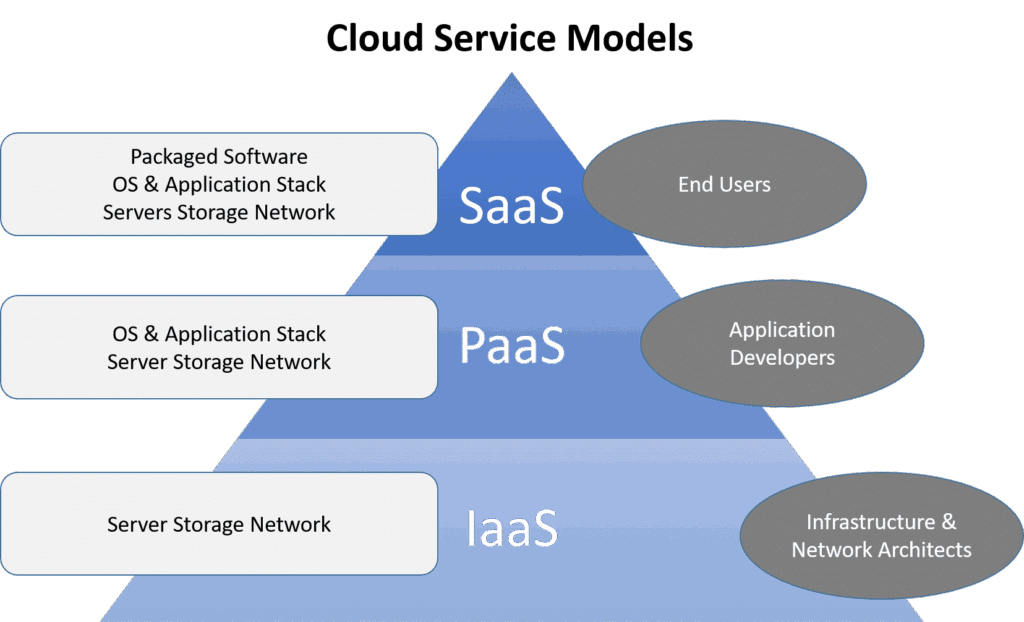
Infrastructure as a Service (IaaS)
Provides virtualized computing resources such as servers and storage.
Platform as a Service (PaaS)
Offers platforms for application development without managing infrastructure.
Software as a Service (SaaS)
Delivers software applications through the internet without installation.
Key Benefits of Cloud Computing
- Cost efficiency
- Scalability
- Remote accessibility
- Automatic updates
- Business continuity
Cloud Computing for Businesses
Businesses use cloud computing to reduce operational costs, improve collaboration, and enable remote work. It supports data analytics, customer management, and digital transformation initiatives.
Cloud Computing for Individuals
Individuals use cloud services for email, file storage, media streaming, and collaboration tools. Cloud computing enables seamless access across devices.
Security in Cloud Computing
Security remains a concern, but cloud providers invest heavily in encryption, access control, monitoring, and compliance. Security responsibilities are shared between providers and users.
Common Misconceptions About Cloud Computing
- Cloud is less secure than local storage
- Cloud means data is not owned by users
- Cloud computing is only for large companies
Limitations of Cloud Computing
- Dependence on internet connectivity
- Potential vendor lock-in
- Limited control over infrastructure
Cloud Computing and the Future
Cloud computing continues to evolve with advancements in automation, edge computing, and data analytics. It is expected to remain a foundational technology for digital growth.
Final Thoughts
Cloud computing has transformed how technology is delivered and consumed. Its flexibility, scalability, and efficiency make it essential for modern digital environments.
Understanding cloud computing is no longer optional — it is fundamental to understanding today’s technology-driven world.