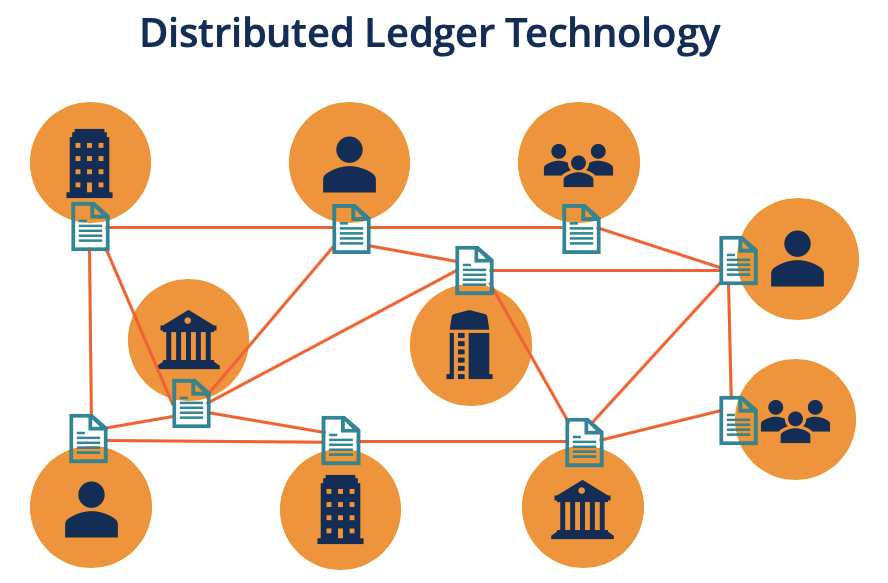
Blockchain technology has gained widespread attention in recent years, often associated only with cryptocurrencies. However, blockchain is much more than digital currency. It represents a new way of recording, verifying, and sharing information securely.
This article explains what blockchain technology is, how it works, its key characteristics, and its real-world applications beyond cryptocurrency.
What Is Blockchain Technology?
Blockchain is a decentralized digital ledger that records transactions across a network of computers. Instead of storing data in a single central database, blockchain distributes records across multiple nodes.
Each transaction is grouped into a block, and these blocks are linked together in chronological order, forming a chain that is difficult to alter or manipulate.
Why Blockchain Was Created
Traditional systems rely on central authorities to verify transactions. Blockchain was designed to remove the need for intermediaries by allowing participants to verify and trust data collectively.
This decentralization increases transparency, security, and trust.
Key Characteristics of Blockchain
- Decentralization
- Transparency
- Immutability
- Security
- Distributed consensus
How Blockchain Technology Works
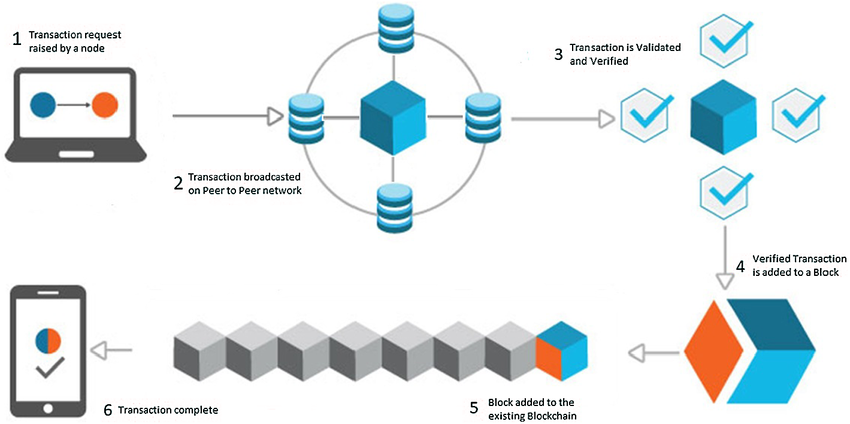
Transaction Creation
A user initiates a transaction that is broadcast to the network.
Transaction Verification
Network participants validate the transaction using consensus mechanisms.
Block Formation
Verified transactions are grouped into a block.
Block Addition
The block is added to the existing blockchain.
Types of Blockchain Networks
Public Blockchains
Open networks accessible to anyone.
Private Blockchains
Restricted networks controlled by organizations.
Consortium Blockchains
Shared control among multiple organizations.
Blockchain Beyond Cryptocurrency
Supply Chain Management
Blockchain improves transparency and traceability.
Healthcare
Secures medical records and improves data sharing.
Finance and Banking
Enables faster and more secure transactions.
Voting Systems
Improves election transparency and trust.
Digital Identity
Gives individuals control over identity data.
Blockchain vs Traditional Databases
| Blockchain | Traditional Database |
|---|---|
| Decentralized | Centralized |
| Immutable records | Editable records |
| High transparency | Limited transparency |
Advantages of Blockchain Technology
- Improved security
- Greater transparency
- Reduced fraud
- Operational efficiency
Limitations of Blockchain
- Scalability challenges
- Energy consumption
- Complex implementation
- Regulatory uncertainty
Blockchain and Data Security
Blockchain enhances data integrity by preventing unauthorized alterations, making it valuable for sensitive data management.
The Future of Blockchain Technology
Blockchain continues to evolve with advancements in scalability, interoperability, and integration with other technologies.
Common Misconceptions About Blockchain
- Blockchain is only for cryptocurrency
- Blockchain is completely anonymous
- Blockchain eliminates all risks
Final Thoughts
Blockchain technology is transforming how data is stored, verified, and shared. Its applications extend far beyond digital currencies, offering solutions across industries.
Understanding blockchain is essential for grasping the future of digital trust and transparency.