Businesses today operate in an environment shaped by rapid technological change, evolving customer expectations, and global competition. In this landscape, having a clear digital strategy is no longer optional—it is essential.
This article explains what a digital strategy is, why it matters, and how it helps modern businesses remain competitive and resilient.
What Is a Digital Strategy?
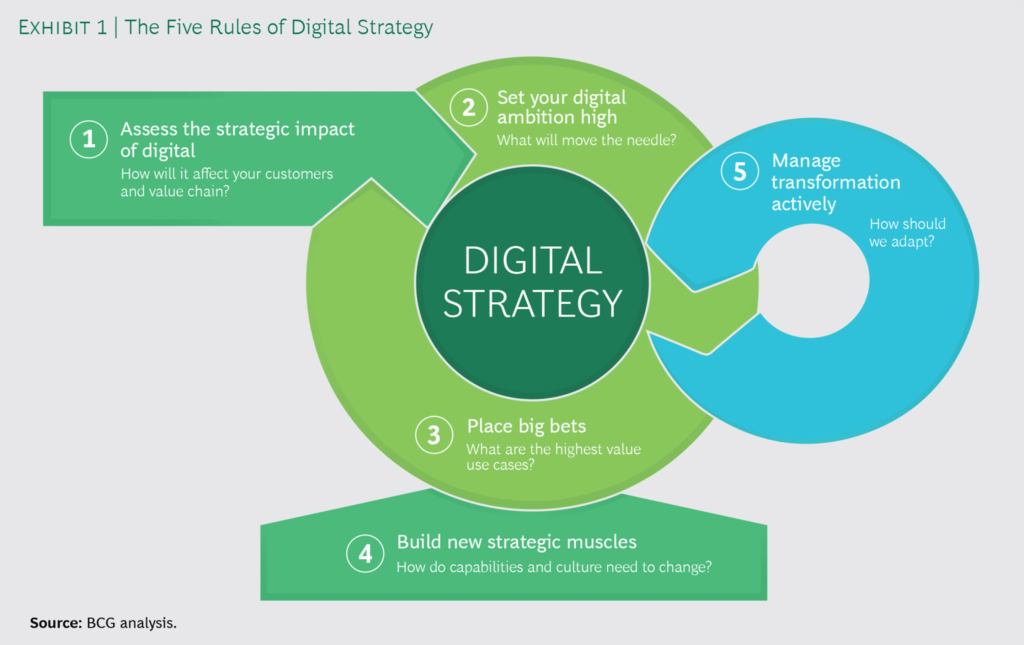
A digital strategy is a long-term plan that outlines how a business uses digital technologies to achieve its goals. It connects technology initiatives with business objectives such as growth, efficiency, and customer engagement.
Digital strategy goes beyond adopting tools—it focuses on purposeful integration.
Why Digital Strategy Matters Today
Digital technologies influence nearly every aspect of business operations, from marketing and sales to customer service and internal processes.
Without a strategy, digital efforts become fragmented and less effective.
Digital Strategy vs Traditional Business Strategy
| Traditional Strategy | Digital Strategy |
|---|---|
| Focuses on physical operations | Integrates digital capabilities |
| Long planning cycles | Agile and adaptive |
Core Elements of a Digital Strategy
Customer Experience
Digital strategy prioritizes how customers interact with a business across digital channels.
Technology Infrastructure
Reliable infrastructure supports scalability, security, and performance.
Data and Analytics
Data-driven insights guide decision-making and performance measurement.
Digital Culture and Skills
Employees must adapt to new tools, workflows, and ways of working.
Process Optimization
Digital tools streamline operations and reduce inefficiencies.
Benefits of a Strong Digital Strategy
- Improved customer engagement
- Operational efficiency
- Better decision-making
- Scalability and flexibility
Digital Strategy for Small Businesses
Small businesses use digital strategy to compete effectively without large resources.
Digital Strategy for Large Enterprises
Enterprises rely on digital strategies to manage complexity and global operations.
Common Challenges in Digital Strategy
- Resistance to change
- Lack of digital skills
- Technology integration issues
- Unclear goals
Digital Strategy and Innovation
A clear strategy encourages innovation while aligning it with business objectives.
Role of Leadership in Digital Strategy
Leadership commitment is essential for successful digital transformation.
Digital Strategy and Competitive Advantage
Businesses with strong digital strategies adapt faster and respond better to market changes.
Measuring Digital Strategy Success
Performance metrics help organizations evaluate progress and refine initiatives.
Digital Strategy and Long-Term Growth
A well-executed digital strategy supports sustainable growth and resilience.
Common Misconceptions About Digital Strategy
- Digital strategy is only about technology
- One strategy fits all businesses
- Digital strategy is a one-time project
The Future of Digital Strategy
As technology evolves, digital strategies will continue to adapt to new tools and expectations.
Final Thoughts
Digital strategy provides direction in an increasingly digital business environment. It helps organizations align technology with purpose and achieve long-term success.
In the modern economy, strategy and technology go hand in hand.