Digital transformation has become a defining factor in how modern businesses operate, compete, and grow. It goes beyond simply using new tools — it reshapes processes, culture, and customer experiences.
This article explains what digital transformation means, why it matters, the benefits it delivers, and its long-term impact on organizations.
What Is Digital Transformation?
Digital transformation refers to the integration of digital technologies into all areas of a business, fundamentally changing how it operates and delivers value to customers.
It involves rethinking workflows, decision-making, and business models to leverage digital capabilities.
Why Digital Transformation Matters
Market expectations, customer behavior, and competition have shifted dramatically in the digital age. Organizations that fail to adapt risk falling behind more agile, technology-driven competitors.
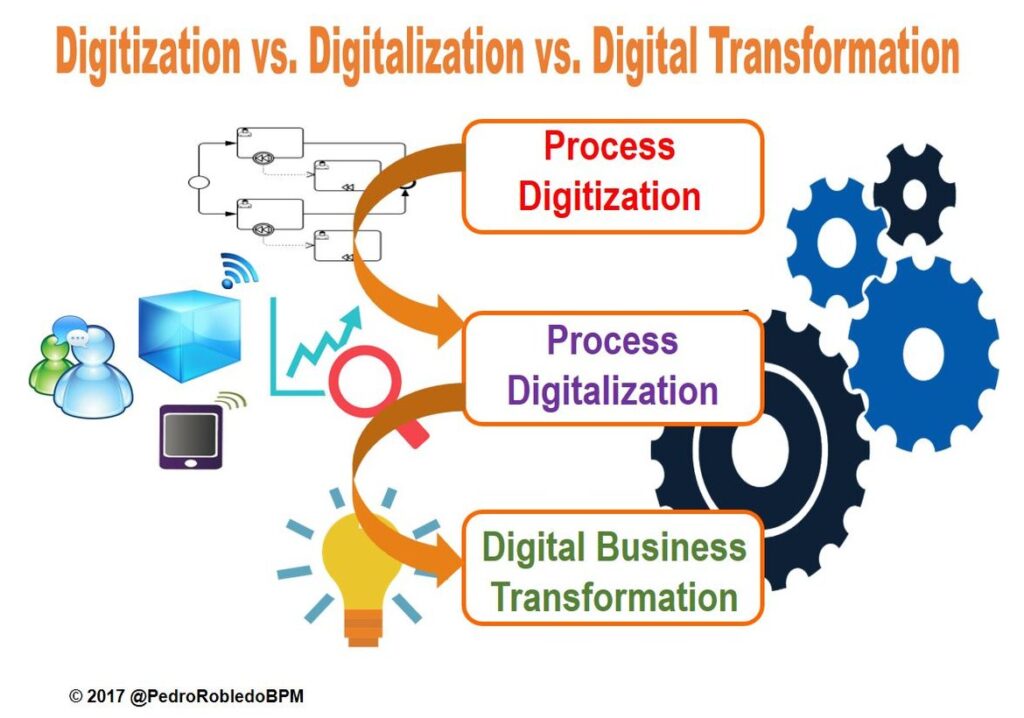
Digital Transformation vs Digitization
| Digitization | Digital Transformation |
|---|---|
| Converting analog to digital | Reinventing business operations |
| Limited scope | Organization-wide change |
Key Technologies Driving Digital Transformation
- Cloud computing
- Artificial intelligence
- Data analytics
- Automation
- Cybersecurity
Key Areas of Digital Transformation
Business Processes
Organizations redesign workflows to improve efficiency and reduce manual tasks.
Customer Experience
Digital channels enable personalized, seamless interactions.
Workforce Enablement
Digital tools empower employees to collaborate and work remotely.
Business Models
Companies adopt new revenue models enabled by digital platforms.
Benefits of Digital Transformation
- Improved efficiency
- Better customer engagement
- Faster innovation
- Data-driven decision making
- Greater agility
Challenges in Digital Transformation
- Resistance to change
- Legacy systems
- Security concerns
- Skills gaps
Digital Transformation for Small Businesses
Digital transformation is not limited to large enterprises. Small businesses use digital tools to compete, scale, and reach broader audiences.
Digital Transformation for Large Enterprises
Enterprises focus on integrating systems, improving scalability, and managing complex digital ecosystems.
Impact of Digital Transformation on Industries
- Healthcare
- Finance
- Retail
- Manufacturing
- Education
Digital Transformation and Data Security
As organizations adopt digital tools, protecting data and infrastructure becomes critical.
Measuring Digital Transformation Success
Success is measured through performance metrics, customer satisfaction, and operational efficiency.
Future of Digital Transformation
Digital transformation continues to evolve with emerging technologies, reshaping industries and redefining competitive advantage.
Common Misconceptions About Digital Transformation
- It is only about technology
- It happens overnight
- Only large companies can transform
Final Thoughts
Digital transformation is an ongoing journey, not a one-time project. Organizations that embrace it strategically position themselves for long-term success.
In a digital-first world, transformation is no longer optional — it is essential.