
The internet has become an essential part of everyday life, but increased connectivity also introduces cybersecurity risks. Internet users are exposed to various online threats that can compromise personal data, finances, and digital identities.
This article explains the most common cybersecurity risks internet users face today, how these threats operate, and why awareness is critical in the digital age.
What Are Cybersecurity Risks?
Cybersecurity risks refer to potential threats that target digital systems, networks, and users. These risks aim to gain unauthorized access, steal data, or disrupt online activities.
Cyber threats affect individuals, businesses, and organizations alike.
Why Cybersecurity Risks Are Increasing
As more services move online, cybercriminals have more opportunities to exploit vulnerabilities. The growing use of digital platforms, mobile devices, and cloud services expands the attack surface.
Major Cybersecurity Risks Explained
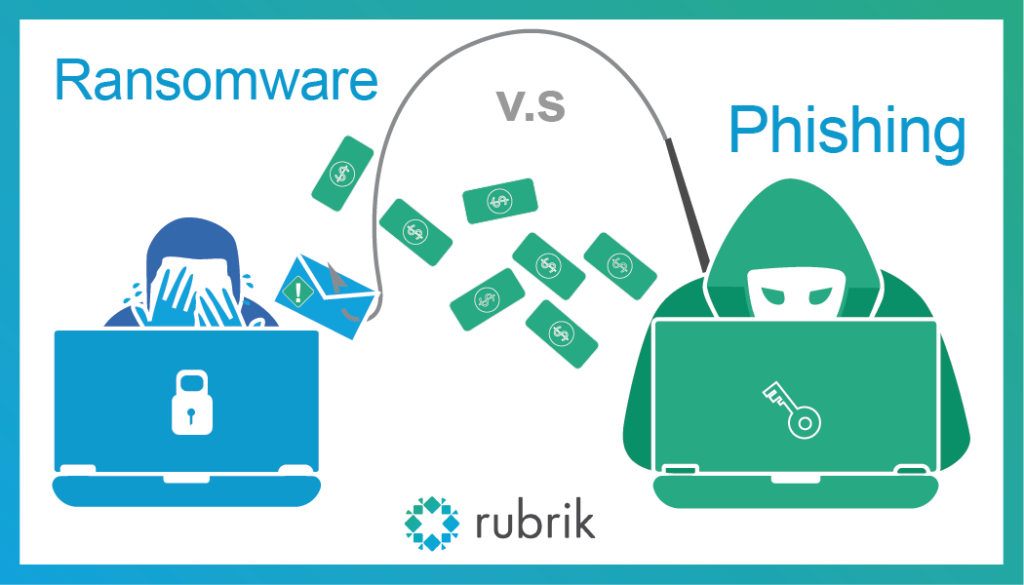
Phishing Attacks
Phishing involves deceptive messages designed to trick users into revealing sensitive information.
Malware
Malware includes harmful software such as viruses, spyware, and trojans.
Ransomware
Ransomware locks users out of their data until a payment is demanded.
Identity Theft
Cybercriminals steal personal information to impersonate victims.
Data Breaches
Unauthorized access to databases exposes sensitive user data.
Weak Password Practices
Poor password habits make accounts easy targets.
Cybersecurity Risks vs Online Privacy Risks
| Cybersecurity Risks | Privacy Risks |
|---|---|
| System compromise | Data misuse |
| Malware attacks | Unauthorized tracking |
Impact of Cybersecurity Risks on Individuals
Individuals may experience financial loss, identity theft, and emotional stress.
Impact on Businesses
Businesses face reputational damage, financial penalties, and operational disruptions.
Cybersecurity Risks on Social Media
Social platforms are common targets due to shared personal information.
Mobile Device Security Risks
Mobile devices introduce risks through apps, networks, and permissions.
Cybersecurity Risks in Remote Work
Remote work environments expand exposure to unsecured networks.
Why Awareness Is Important
Understanding risks helps users recognize threats and make safer online decisions.
Role of Technology in Cybersecurity
Security tools help detect, prevent, and respond to cyber threats.
Human Factors in Cybersecurity
Human error remains a major contributor to cybersecurity incidents.
Common Cybersecurity Myths
- Only large companies are targeted
- Antivirus software is enough
- Cybersecurity is purely technical
Future of Cybersecurity Risks
Cyber threats will continue to evolve alongside technology.
Final Thoughts
Cybersecurity risks are a reality of the digital world. Awareness and informed behavior are essential for protecting personal and professional digital assets.
In an interconnected environment, cybersecurity awareness is everyone’s responsibility.