Every online activity leaves a digital footprint. From browsing websites and shopping online to using mobile apps and social media platforms, personal data is constantly being generated, collected, and processed.
This article explains why online privacy matters more than ever, how personal information is collected, the risks involved, and why protecting privacy is essential in the modern digital world.
What Is Online Privacy?
Online privacy refers to the ability of individuals to control how their personal information is collected, used, and shared on the internet. It includes data such as names, email addresses, location, browsing behavior, and online preferences.
Privacy is not about hiding information but about maintaining control over personal data.
Why Online Privacy Matters Today
The internet has become deeply integrated into daily life. As more services move online, personal data becomes increasingly valuable and vulnerable.
Loss of privacy can lead to identity theft, financial fraud, surveillance, and misuse of personal information.
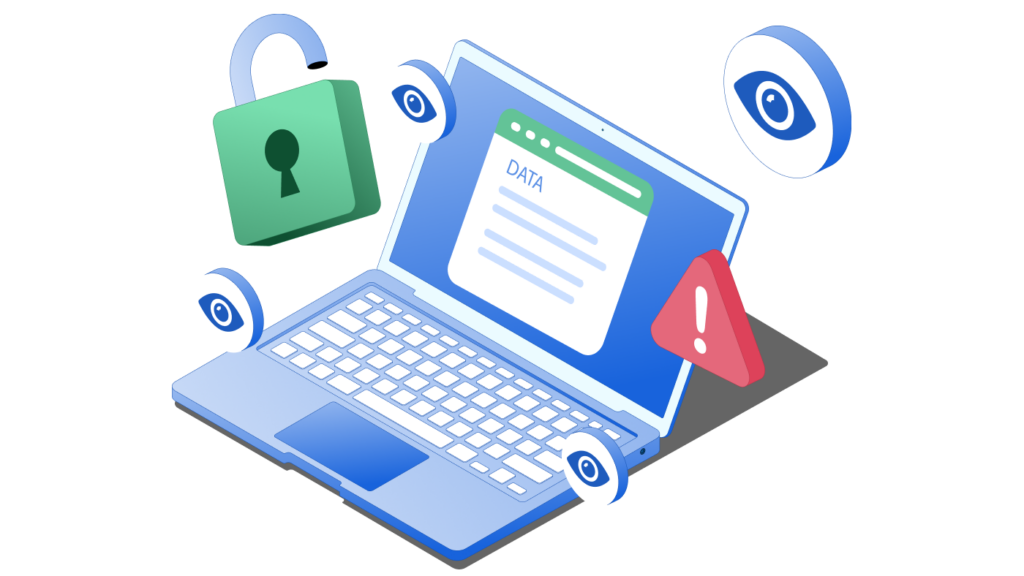
How Personal Data Is Collected Online
Website Forms
Contact forms, registrations, and subscriptions collect identifiable user information.
Cookies and Tracking Technologies
Cookies store browsing behavior, preferences, and session details.
Mobile Applications
Apps collect usage data, device details, and sometimes location information.
Online Transactions
E-commerce platforms collect payment and delivery data.
Social Media Activity
Likes, comments, and interactions reveal personal interests and habits.
Common Online Privacy Risks
- Data breaches
- Unauthorized data sharing
- Identity theft
- Targeted profiling
- Surveillance and tracking
Online Privacy vs Online Security
| Online Privacy | Online Security |
|---|---|
| Control over personal data | Protection from cyber threats |
| Data usage transparency | Defense against attacks |
Why Businesses Collect Personal Data
- Service delivery
- Personalization
- Analytics and improvement
- Marketing and advertising
- Fraud prevention
Impact of Poor Privacy Practices
Organizations that fail to protect user data risk legal consequences, loss of trust, and reputational damage.
Online Privacy for Individuals
Individuals benefit from privacy through protection of identity, finances, and personal autonomy.
Online Privacy for Businesses
Businesses that prioritize privacy build customer trust and long-term credibility.
Privacy Laws and Regulations
Governments introduce regulations to protect user data and enforce responsible data handling practices.
Online Privacy and Emerging Technologies
New technologies increase data collection capabilities, making privacy considerations more important than ever.
Ethical Considerations of Online Privacy
Ethical data practices focus on consent, transparency, and minimal data collection.
Common Misconceptions About Online Privacy
- Privacy no longer exists online
- Only illegal activities need privacy
- Privacy protections eliminate all risks
The Future of Online Privacy
As digital ecosystems evolve, online privacy will remain a critical issue requiring continuous attention.
Final Thoughts
Online privacy matters because personal data has real-world consequences. Protecting privacy safeguards identity, security, and trust in the digital environment.
In an increasingly connected world, privacy is a fundamental digital right.