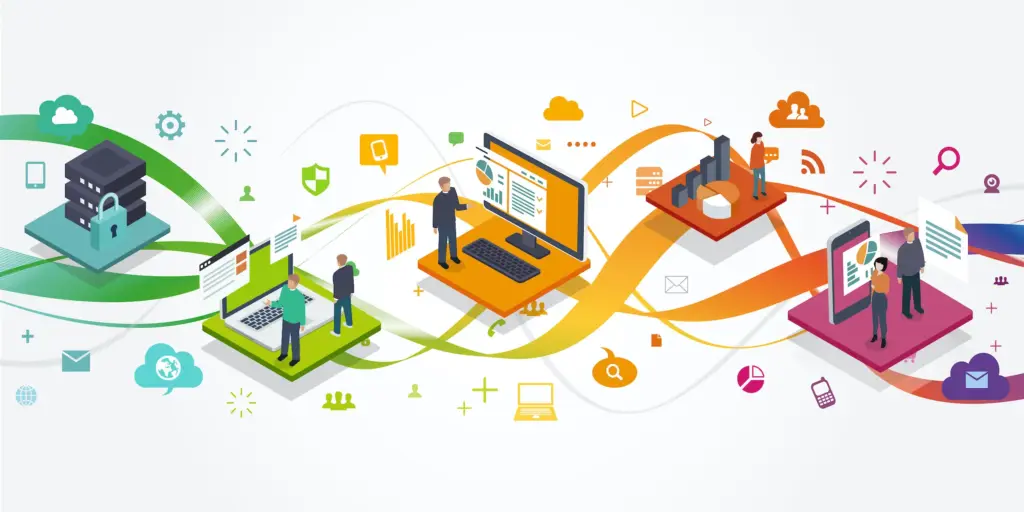
Businesses today operate in an environment shaped by rapid technological change, shifting customer expectations, and intense global competition. To remain competitive, organizations must continuously adapt—and digital transformation plays a central role in that process.
This article explains how digital transformation helps businesses stay competitive, what it involves, and why it is essential in the modern economy.
What Is Digital Transformation?
Digital transformation refers to the integration of digital technologies into all areas of a business. It changes how organizations operate, deliver value, and interact with customers.
It is not just about technology, but about strategy, culture, and processes.
Why Digital Transformation Matters
Technology-driven change is no longer optional. Businesses that fail to adapt risk losing relevance, efficiency, and market share.
Digital Transformation and Competitive Advantage
Organizations that embrace digital transformation gain agility, efficiency, and better insights, allowing them to respond quickly to market demands.
Key Areas of Digital Transformation
Customer Experience
Digital tools enable personalized, seamless interactions across multiple channels.
Business Operations
Automation and optimization reduce manual effort and operational costs.
Data and Analytics
Data-driven insights support smarter decision-making.
Workforce Enablement
Digital platforms empower employees to collaborate and work efficiently.
Technology Infrastructure
Modern infrastructure supports scalability, security, and performance.
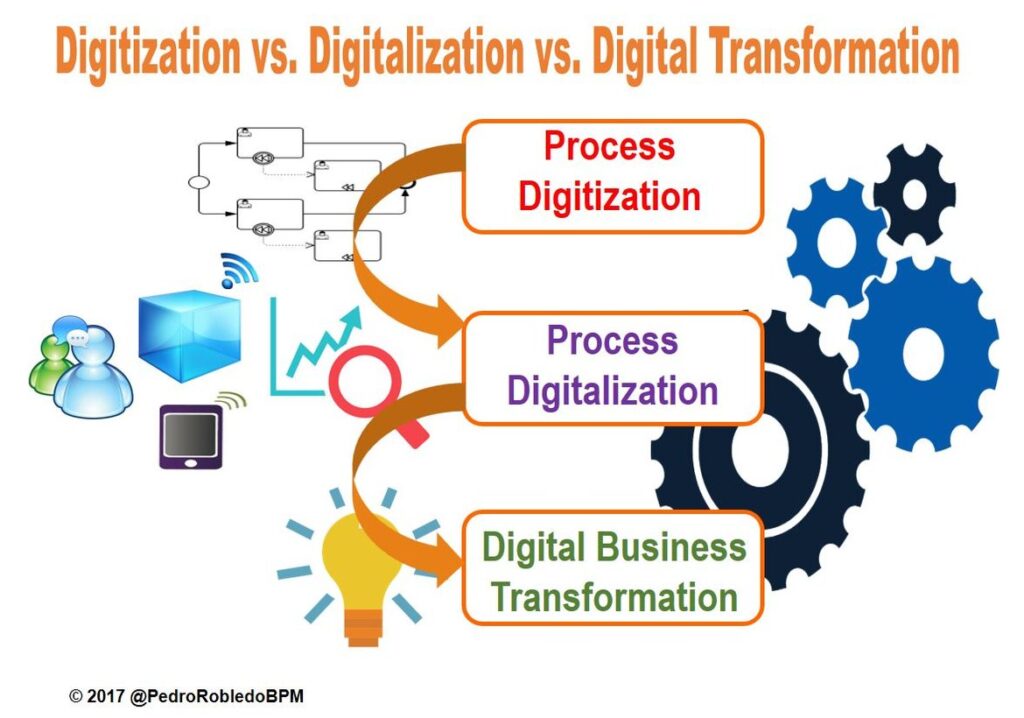
Digital Transformation vs Digitalization
| Digital Transformation | Digitalization |
|---|---|
| Strategic change | Process automation |
| Organization-wide impact | Task-level improvement |
Benefits of Digital Transformation
- Improved efficiency
- Enhanced customer satisfaction
- Faster innovation
- Better scalability
Digital Transformation for Small Businesses
Small businesses use digital tools to compete with larger organizations.
Digital Transformation for Large Enterprises
Enterprises rely on transformation to manage complexity and global operations.
Challenges in Digital Transformation
- Resistance to change
- Skill gaps
- Legacy systems
- Integration issues
Role of Leadership in Digital Transformation
Leadership commitment is essential for guiding transformation initiatives.
Digital Transformation and Innovation
Transformation encourages experimentation and continuous improvement.
Measuring Digital Transformation Success
Clear metrics help organizations track progress and outcomes.
Future of Digital Transformation
As technology evolves, digital transformation will continue to shape business strategies.
Common Misconceptions About Digital Transformation
- It is only about technology
- It is a one-time project
- It is only for large companies
Final Thoughts
Digital transformation helps businesses stay competitive by improving efficiency, innovation, and customer engagement.
In a rapidly changing digital landscape, transformation is essential for long-term success.