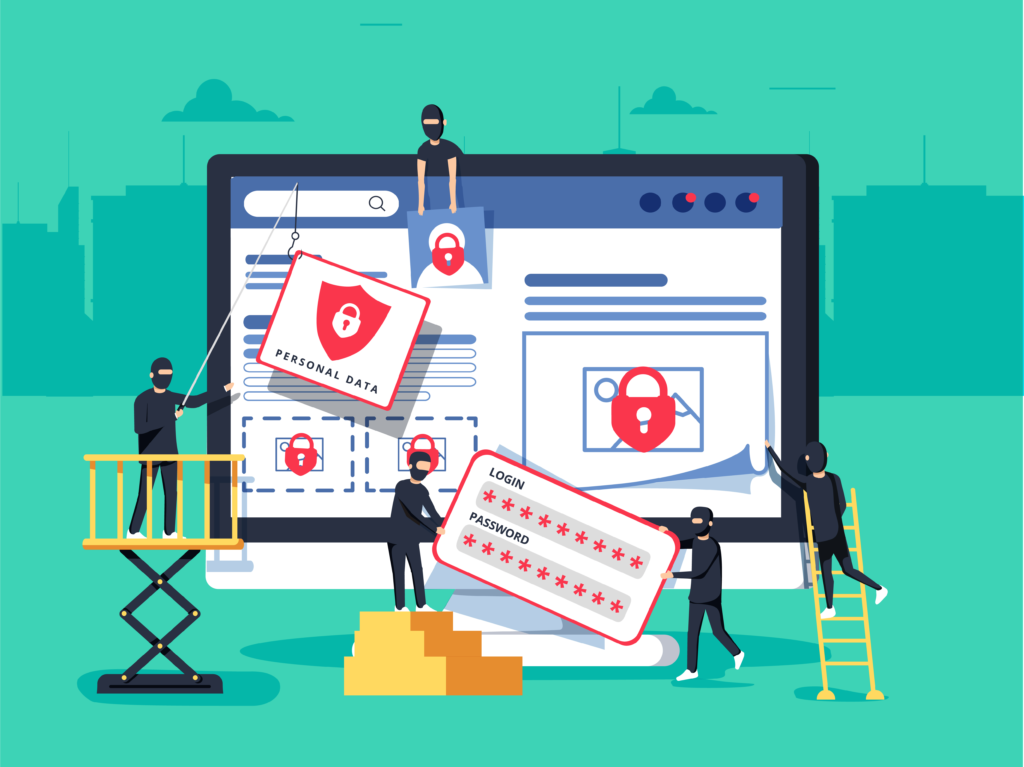
Data breaches have become increasingly common in the digital age, affecting individuals, businesses, and organizations worldwide. When sensitive information is exposed, the consequences can be long-lasting and far-reaching.
This article explains how data breaches happen, the methods attackers use, and what these incidents mean for internet users.
What Is a Data Breach?
A data breach occurs when unauthorized individuals gain access to sensitive, protected, or confidential information. This may include personal data, financial records, or login credentials.
Data breaches can be accidental or intentional.
Why Data Breaches Are Increasing
As more data is stored digitally, attackers have more opportunities to exploit vulnerabilities. Cloud services, remote work, and interconnected systems increase exposure.
Common Causes of Data Breaches
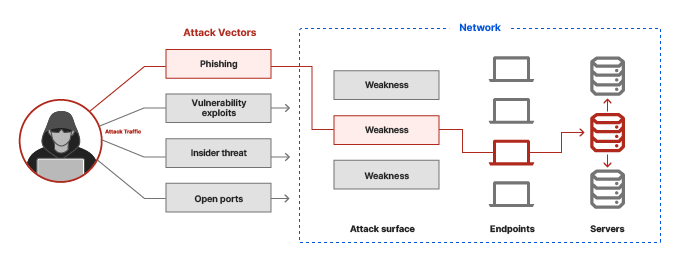
Phishing and Social Engineering
Attackers trick users into revealing credentials or granting access.
Weak or Reused Passwords
Poor password practices make systems vulnerable.
Malware and Ransomware
Malicious software extracts or encrypts data.
Unpatched Software Vulnerabilities
Outdated systems provide entry points for attackers.
Insider Threats
Employees or contractors may intentionally or accidentally expose data.
Misconfigured Cloud Services
Improper settings can leave data publicly accessible.
Types of Data Exposed in Breaches
- Personal identification information
- Financial data
- Login credentials
- Health information
Data Breaches vs Data Leaks
| Data Breach | Data Leak |
|---|---|
| Unauthorized access | Accidental exposure |
| Intentional attack | Configuration error |
Impact of Data Breaches on Individuals
Individuals may experience identity theft, financial loss, and privacy violations.
Impact on Businesses
Businesses face legal penalties, reputational damage, and financial losses.
Long-Term Consequences of Data Breaches
Stolen data may be exploited months or years later.
Why Data Breaches Affect Trust
Trust is essential in digital relationships. Breaches erode confidence.
Role of Regulations and Compliance
Data protection laws aim to reduce risk and improve accountability.
How Technology Helps Prevent Data Breaches
Security tools monitor, detect, and respond to threats.
Human Error and Data Breaches
Human mistakes remain a leading cause of breaches.
Data Breaches and the Future of Privacy
As data collection grows, protecting information becomes more critical.
Common Myths About Data Breaches
- Only large companies are targeted
- Security software prevents all breaches
- Breaches are immediately discovered
Final Thoughts
Data breaches highlight the importance of digital security and awareness. Understanding how breaches occur helps users and organizations take proactive steps to protect information.
In a connected world, safeguarding data is a shared responsibility.