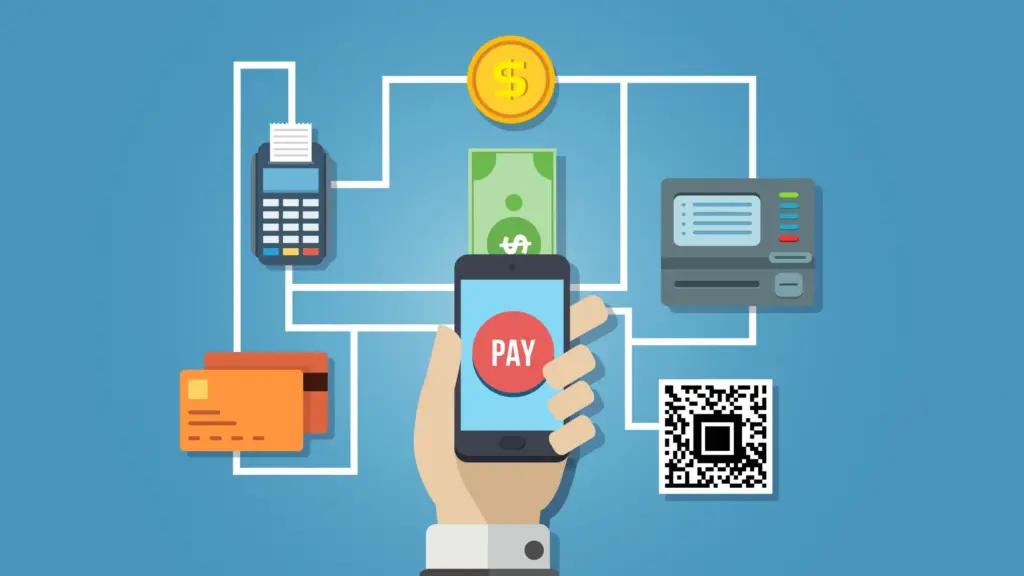
Online payments have become a fundamental part of the digital economy. From shopping and subscriptions to banking and bill payments, people rely on digital payment systems every day.
This article explains how online payments work, the systems involved, and why security plays a critical role in protecting users and businesses.
What Are Online Payments?
Online payments refer to digital transactions that transfer money electronically over the internet. These payments replace cash and physical checks with secure electronic systems.
They enable fast, convenient, and global financial transactions.
Why Online Payments Matter
Digital payments support e-commerce, remote services, and global business operations. Without them, modern online commerce would not be possible.
How Online Payments Are Processed
Payment Initiation
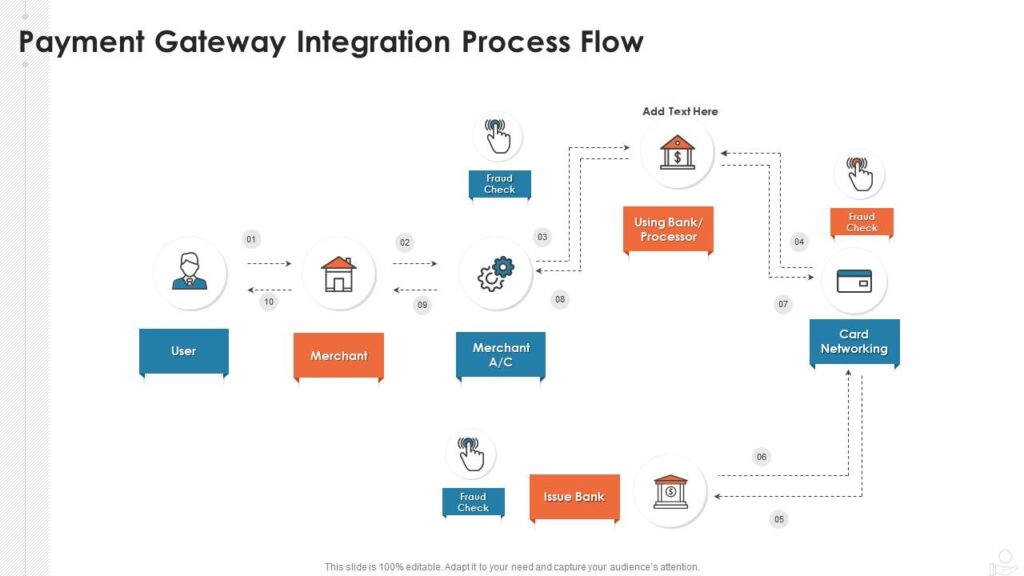
The customer submits payment details through a secure checkout page.
Payment Gateway
The payment gateway encrypts and transfers payment information to processing networks.
Authorization
The issuing bank verifies account details and approves or declines the transaction.
Transaction Processing
Funds are reserved or transferred based on authorization.
Settlement
The final transfer of funds occurs between financial institutions.
Key Components of Online Payment Systems
- Payment gateways
- Merchant accounts
- Issuing banks
- Acquiring banks
- Card networks
Types of Online Payment Methods
- Credit and debit cards
- Digital wallets
- Bank transfers
- Subscription billing
Online Payments vs Traditional Payments
| Online Payments | Traditional Payments |
|---|---|
| Instant processing | Manual handling |
| Global accessibility | Local limitations |
Why Security Is Critical in Online Payments
Online payments involve sensitive financial data. Without proper security, users and businesses are exposed to fraud and theft.
Common Online Payment Security Measures
- Encryption
- Secure authentication
- Fraud detection systems
- Transaction monitoring
Risks Associated With Online Payments
- Fraud
- Unauthorized transactions
- Data breaches
- Phishing attacks
Online Payment Security for Consumers
Consumers benefit from secure platforms, monitoring tools, and buyer protection mechanisms.
Online Payment Security for Businesses
Businesses must protect customer data to maintain trust and comply with regulations.
Regulations and Compliance
Financial regulations establish standards for secure payment processing.
Online Payments and Trust
Trust is essential for adoption. Secure payment experiences encourage repeat transactions.
Impact of Online Payments on Global Commerce
Digital payments enable businesses to operate across borders and reach wider audiences.
Future of Online Payments
Online payments continue to evolve with advancements in security, speed, and user experience.
Common Misconceptions About Online Payments
- Online payments are unsafe
- Security is only the provider’s responsibility
- Digital payments replace all traditional methods
Final Thoughts
Online payments power the modern digital economy. Understanding how they work and why security matters helps users and businesses transact with confidence.
Secure digital payments are essential for trust, growth, and long-term sustainability.