The way humans communicate has evolved dramatically over time, but no development has reshaped communication as profoundly as the internet. From instant messaging to global video calls, the internet has removed barriers of distance and time.
This article explores how the internet changed human communication, the transformation it brought to society, and why its impact continues to grow.
Communication Before the Internet
Before the internet, communication relied on physical mail, landline phones, print media, and in-person interaction. These methods were slower, limited by geography, and often costly.
The Rise of Digital Communication
The internet introduced new ways to exchange information instantly, making communication faster and more accessible than ever before.
Evolution of Human Communication
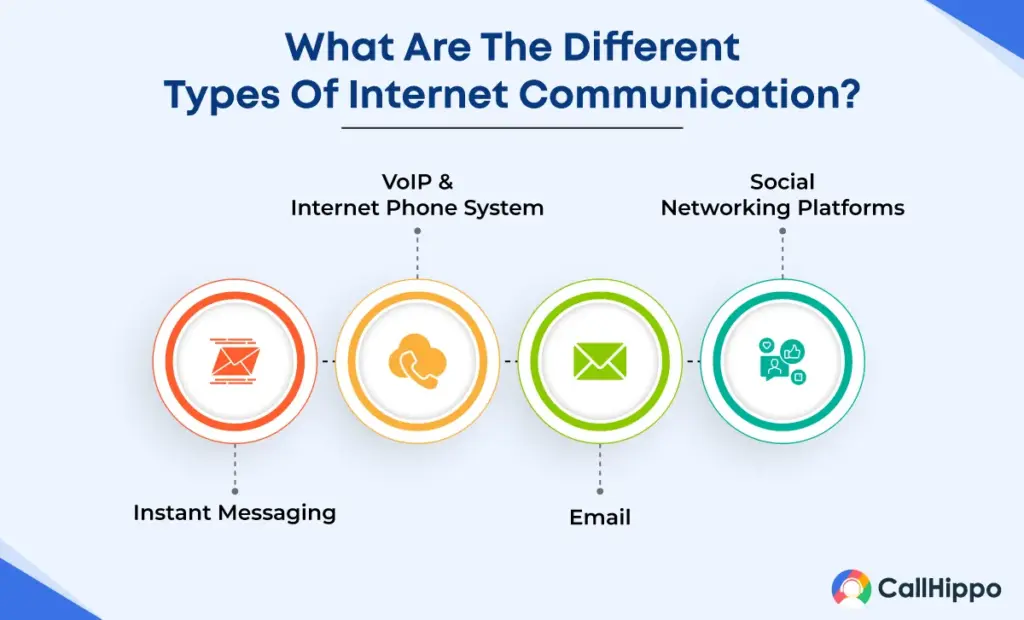
Email and Instant Messaging
Email replaced traditional letters, while instant messaging enabled real-time conversations across continents.
Social Media Platforms
Social networks transformed communication into a continuous, interactive experience.
Voice and Video Communication
Internet-based voice and video calls allow face-to-face interaction regardless of location.
Online Communities and Forums
People connect through shared interests, ideas, and causes.
Breaking Geographic Barriers
The internet enables communication across borders, cultures, and time zones, fostering global connectivity.
Impact on Personal Relationships
Digital communication strengthens long-distance relationships but also changes how people interact emotionally.
Impact on Business Communication
Businesses rely on digital channels for collaboration, customer support, and global operations.
Internet Communication and Information Sharing
Information spreads rapidly online, influencing opinions, trends, and public discourse.
Advantages of Internet-Based Communication
- Instant connectivity
- Lower communication costs
- Global reach
- Multimedia interaction
Challenges and Concerns
- Privacy issues
- Misinformation
- Reduced face-to-face interaction
- Digital dependency
Internet Communication vs Traditional Communication
| Traditional Communication | Internet Communication |
|---|---|
| Slow delivery | Instant exchange |
| Geographically limited | Global reach |
Role of Internet Communication in Education
Online communication tools support remote learning, collaboration, and knowledge sharing.
Role in Social Movements
The internet amplifies voices, enabling social movements and collective action.
Cultural Impact of Internet Communication
Digital communication shapes language, behavior, and cultural norms.
Future of Human Communication
As technology evolves, communication methods will continue to become more immersive and interactive.
Common Misconceptions
- Internet communication replaces real relationships
- Online communication lacks emotional depth
- Digital interaction is temporary
Final Thoughts
The internet has permanently transformed human communication, connecting people in ways once unimaginable.
Understanding this transformation helps society use digital communication more thoughtfully and responsibly.