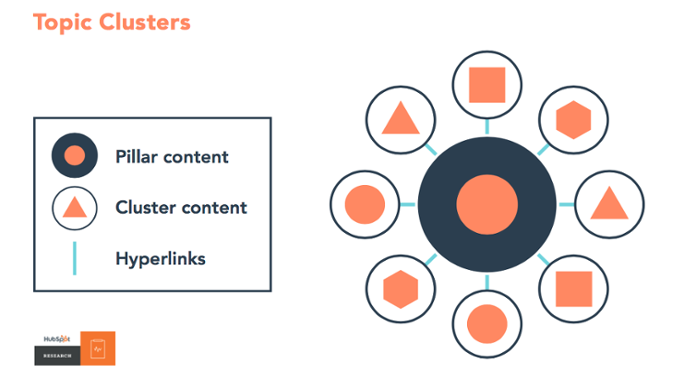
Pillar pages are comprehensive, authoritative pages that cover a broad topic in depth and link out to multiple related subtopic pages. They form the foundation of a topic cluster strategy.
This advanced guide explains how to create pillar pages that rank on Google and power long-term SEO growth.
What Is a Pillar Page?
A pillar page acts as the central hub for a topic cluster, linking to detailed articles that explore individual subtopics.
Why Pillar Pages Are Critical for SEO
- Establish topical authority
- Improve internal linking structure
- Rank for broad, competitive keywords
- Support multiple long-tail rankings
Pillar Page vs Regular Blog Post
| Regular Blog Post | Pillar Page |
|---|---|
| Narrow topic | Broad topic coverage |
| Limited internal links | Central internal linking hub |
| Shorter content | Long-form authoritative content |
How Pillar Pages Work (Structure Explained)

Pillar Content
The main page broadly explains the topic and introduces all subtopics.
Cluster Content
Each cluster article dives deep into one specific subtopic.
Linking Strategy
The pillar page links to all cluster pages, and each cluster page links back to the pillar.
Step-by-Step Guide to Create a Pillar Page
Step 1: Choose a Broad Topic
Select a topic that can support multiple subtopics.
Step 2: Perform Keyword Research
Target a broad primary keyword and multiple related long-tail keywords.
Step 3: Outline the Pillar Page
Structure the page with clear sections for each subtopic.
Step 4: Write Comprehensive Content
Cover each section thoroughly without going too deep (clusters handle depth).
Step 5: Create Supporting Cluster Pages
Publish in-depth articles for each subtopic.
Step 6: Implement Strategic Internal Linking
Use descriptive anchor text to connect all pages.
Step 7: Optimize for UX & Readability
Use tables, lists, and visuals for easy scanning.
Common Pillar Page Mistakes
- Making the page too thin
- Overlapping cluster topics
- Weak internal linking
- Ignoring search intent
How Pillar Pages Improve Rankings Over Time
- Stronger topical relevance
- Improved crawl efficiency
- Higher authority signals
- More stable rankings
Final Thoughts
Pillar pages are the backbone of modern SEO strategies. When built correctly, they turn individual blog posts into a powerful, interconnected ranking system.
Strong pillars create unstoppable clusters.