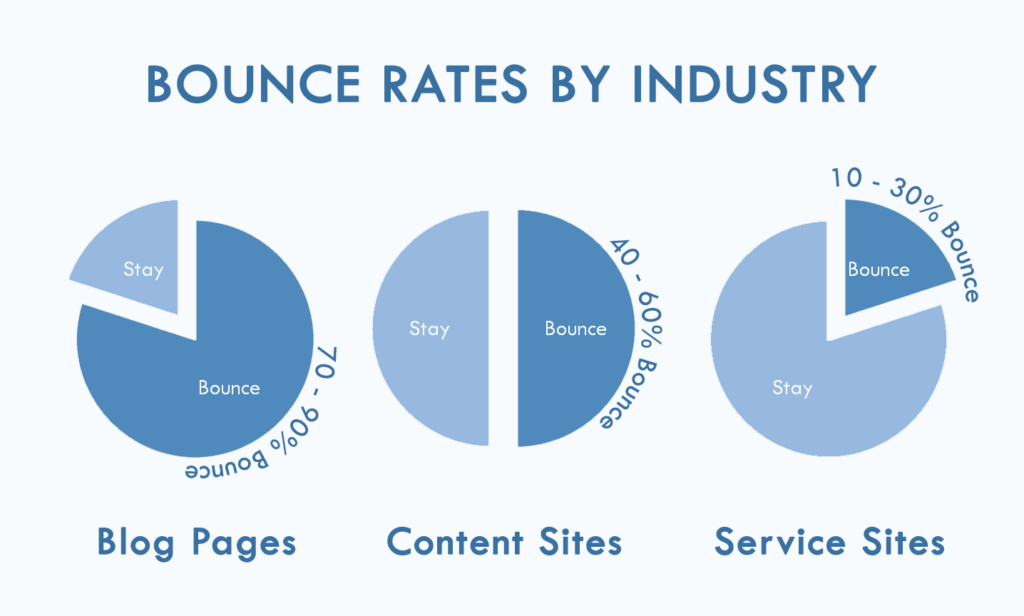
Bounce rate refers to the percentage of visitors who leave your website after viewing only one page. A high bounce rate usually means visitors are not finding what they expect.
This beginner guide explains how to reduce website bounce rate using simple, practical methods.
What Is Bounce Rate?
Bounce rate measures how many users leave your site without interacting further. Lower bounce rates generally indicate better engagement.
Why Bounce Rate Matters
- Improves user experience
- Signals content relevance
- Supports SEO performance
- Increases conversions
Proven Ways to Reduce Website Bounce Rate

1. Improve Page Loading Speed
Slow websites frustrate users. Faster pages keep visitors engaged longer.
2. Match Content with Search Intent
Ensure your content delivers exactly what users expect when they click.
3. Use Clear Headings and Structure
Well-organized content makes it easier for visitors to scan and read.
4. Improve Readability
Use short paragraphs, bullet points, and simple language.
5. Add Internal Links
Guide visitors to related content to encourage deeper browsing.
6. Optimize for Mobile Devices
Ensure your website looks and works well on mobile screens.
7. Use Engaging Introductions
Start articles with clear, engaging openings that explain value immediately.
8. Remove Intrusive Pop-Ups
Avoid pop-ups that interrupt user experience.
9. Add Clear Calls to Action
Tell visitors what to do next—read, explore, or learn more.
Common Bounce Rate Mistakes
- Slow-loading pages
- Misleading titles
- Poor mobile experience
- Thin or unhelpful content
Final Thoughts
Reducing bounce rate is about improving user experience and delivering value. Small improvements in content, speed, and structure can make a big difference.
Focus on helping visitors, and engagement will naturally improve.