
Every website you visit on the internet is stored somewhere. From personal blogs and business websites to large e-commerce platforms, all online content relies on web hosting to be accessible to users around the world.
This article explains what web hosting is, how it works, why it matters, and the different types of hosting that power today’s websites.
What Is Web Hosting?
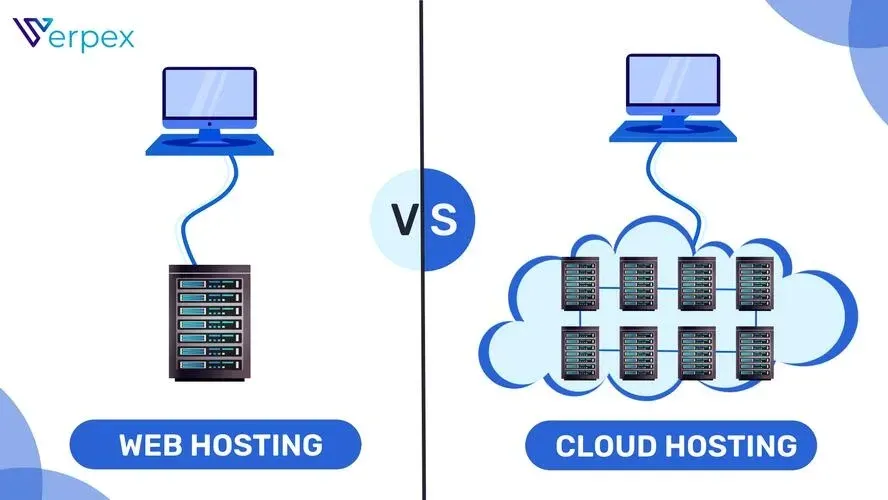
Web hosting is a service that allows websites to be stored and accessed on the internet. Hosting providers use powerful computers called servers to store website files, images, databases, and applications.
When someone types a website address into their browser, the browser connects to the hosting server and retrieves the website’s content.
Why Web Hosting Is Essential
Without web hosting, a website cannot exist online. Hosting makes it possible for users anywhere in the world to access a website at any time.
Web hosting ensures availability, performance, security, and reliability for online content.
How Web Hosting Works
Web hosting works by storing website files on servers that are connected to the internet 24/7. These servers respond to user requests and deliver content through web browsers.
Hosting providers manage server hardware, networking, uptime, and security so website owners can focus on content and functionality.
Types of Web Hosting Explained
Shared Hosting
Shared hosting stores multiple websites on a single server. Resources are shared among users, making it affordable and suitable for small websites.
Virtual Private Server (VPS) Hosting
VPS hosting divides a physical server into virtual environments, offering better performance and control than shared hosting.
Dedicated Hosting
Dedicated hosting provides an entire server for one website, delivering maximum performance and customization.
Cloud Hosting
Cloud hosting uses multiple interconnected servers to distribute resources, improving scalability and reliability.
Managed Hosting
Managed hosting includes maintenance, updates, and security handled by the provider.
Web Hosting vs Domain Name
| Web Hosting | Domain Name |
|---|---|
| Stores website files | Website address |
| Provides server resources | Points to hosting server |
Why Web Hosting Matters for Performance
Hosting quality directly affects website speed, uptime, and responsiveness. Slow servers result in poor user experience and reduced trust.
Web Hosting and Website Security
Hosting providers play a key role in protecting websites from cyber threats through firewalls, monitoring, and backups.
Web Hosting for Businesses
Businesses rely on reliable hosting to maintain credibility, customer access, and uninterrupted online services.
Web Hosting for Personal Websites
Personal blogs and portfolios benefit from affordable hosting options that provide flexibility and scalability.
Scalability and Growth
As websites grow, hosting must support increased traffic, data, and functionality without downtime.
Web Hosting and SEO
Search engines favor fast, reliable websites. Hosting impacts load time, uptime, and user experience — all important ranking factors.
Common Web Hosting Problems
- Server downtime
- Slow page loading
- Limited resources
- Poor security practices
Choosing the Right Hosting Type
The right hosting depends on website size, traffic, budget, and technical requirements.
Web Hosting and the Future
Modern hosting continues to evolve with cloud infrastructure, automation, and performance optimization.
Common Misconceptions About Web Hosting
- All hosting providers are the same
- Cheap hosting is always enough
- Hosting does not affect user experience
Final Thoughts
Web hosting is the foundation of every website on the internet. Its quality influences performance, security, and user trust.
Understanding web hosting helps website owners make informed decisions and build a reliable online presence.