
Category pages are often overlooked in SEO strategies, yet they can become powerful traffic hubs when optimized correctly. For content-heavy websites, category pages help search engines understand topical relevance.
This advanced guide explains how to optimize category pages for SEO without creating duplicate content or index bloat.
What Are Category Pages?
Category pages group related posts under a common topic and serve as navigation hubs for users and search engines.
Why Category Pages Matter for SEO
- Improve topical authority
- Strengthen internal linking
- Rank for broad keywords
- Improve crawl efficiency
How SEO-Optimized Category Pages Work
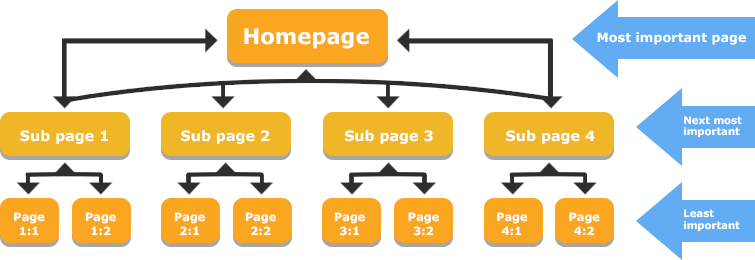
Category Page as Mini Pillar
Optimized category pages act as mini pillar pages linking to related content.
Internal Linking Hub
They distribute internal link equity efficiently across related posts.
Step-by-Step Guide to Optimize Category Pages
Step 1: Choose the Right Categories
Only create categories that represent meaningful topics.
Step 2: Write Unique Category Descriptions
Add helpful, keyword-focused descriptions at the top of category pages.
Step 3: Optimize Category Titles
Use descriptive titles aligned with search intent.
Step 4: Add Introductory Content
Include short content blocks explaining what users will find.
Step 5: Control Indexing Carefully
Index only valuable category pages and noindex low-value ones.
Step 6: Improve Internal Linking
Link important posts prominently within categories.
Step 7: Optimize Pagination
Handle paginated category pages correctly.
Step 8: Avoid Duplicate Content
Ensure category descriptions are unique and not copied from posts.
Step 9: Monitor Performance
Track category page rankings and engagement metrics.
Common Category Page SEO Mistakes
- Empty category descriptions
- Too many thin categories
- Indexing tag archives unnecessarily
- Duplicate content issues
Category Pages vs Pillar Pages
| Category Pages | Pillar Pages |
|---|---|
| Auto-generated | Manually created |
| Content listings | Long-form guides |
| Navigation-focused | Authority-focused |
Final Thoughts
When optimized correctly, category pages become powerful SEO assets rather than liabilities. Treat them as structured content hubs instead of simple archives.
Smart category optimization strengthens your entire site architecture.