
Publishing blog posts randomly makes it difficult to grow consistently. A content calendar helps bloggers plan, organize, and publish content in a structured way.
This beginner guide explains how to create a content calendar for blogging and why it is essential for long-term success.
What Is a Content Calendar?
A content calendar is a schedule that outlines what content you will publish and when. It helps you stay organized and consistent.
Why You Need a Content Calendar
- Maintains consistent publishing
- Saves time and effort
- Improves content quality
- Helps plan SEO and promotions
Steps to Create a Content Calendar
1. Define Your Blogging Goals
Decide whether your goal is traffic growth, monetization, branding, or lead generation.
2. Choose Posting Frequency
Pick a realistic schedule such as one or two posts per week.
3. List Content Topics
Create a list of blog post ideas related to your niche.
4. Do Basic Keyword Research
Choose keywords that match search intent and content goals.
5. Select a Calendar Tool
You can use Google Sheets, a notebook, or a project management tool.
6. Assign Publishing Dates
Schedule posts across weeks or months.
7. Track Progress
Mark posts as drafted, published, or updated.
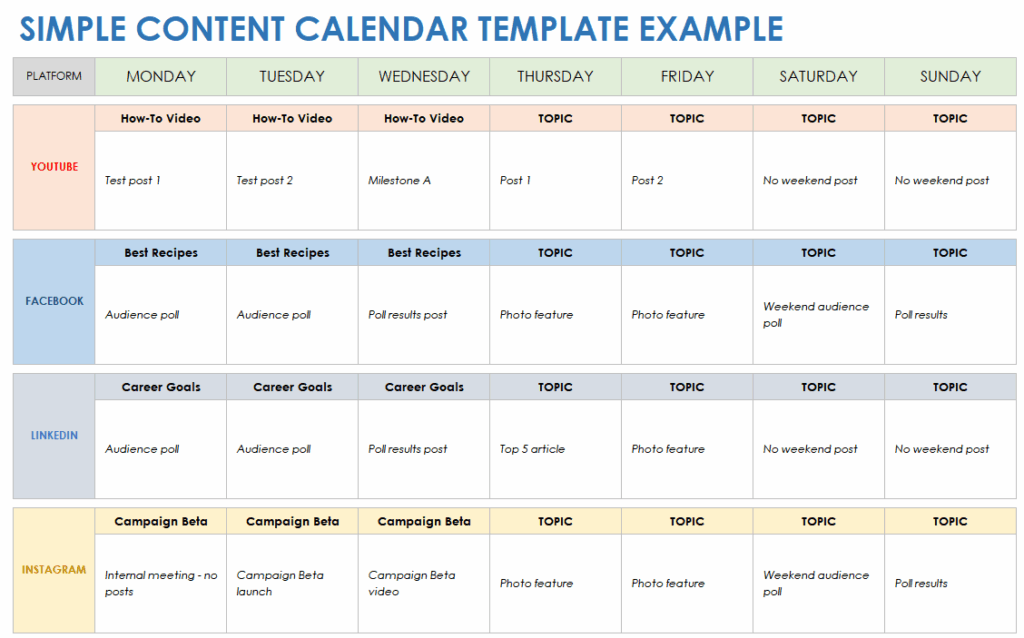
Simple Content Calendar Example
- Week 1 – Informational blog post
- Week 2 – How-to tutorial
- Week 3 – List or comparison post
- Week 4 – Update old content
Common Content Calendar Mistakes
- Overplanning without execution
- Unrealistic posting schedules
- Ignoring analytics and performance
Final Thoughts
A content calendar helps bloggers stay consistent and focused. By planning content in advance, you reduce stress and improve long-term growth.
Start with a simple calendar and improve it as your blog grows.