Ranking drops are a normal part of SEO, but reacting without diagnosis often makes things worse. Proper diagnosis helps you identify whether the issue is algorithmic, technical, content-related, or competitive.
This advanced guide explains how to diagnose ranking drops properly using a systematic SEO framework.
What Is a Ranking Drop?
A ranking drop occurs when a page or group of pages loses positions in search results, resulting in reduced visibility and traffic.
Why Proper Diagnosis Matters
- Prevents unnecessary changes
- Identifies real root causes
- Saves time and resources
- Improves recovery speed
Common Causes of Ranking Drops
- Algorithm updates
- Content quality issues
- Search intent shifts
- Technical SEO problems
- Increased competition
Step-by-Step Ranking Drop Diagnosis Process
Step 1: Confirm the Drop
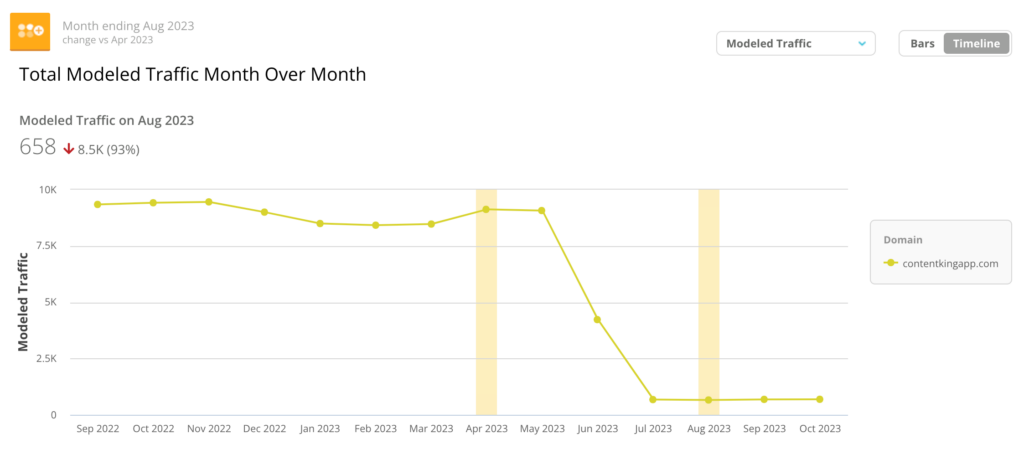
Compare ranking and traffic data across multiple tools.
Step 2: Identify Affected Pages
Determine whether the drop is site-wide or page-specific.
Step 3: Check for Algorithm Updates
Align the timeline with known Google updates.
Step 4: Analyze Search Intent Changes
Review current top-ranking pages for intent shifts.
Step 5: Evaluate Content Quality
Assess depth, freshness, and usefulness.
Step 6: Review Internal Linking Changes
Ensure important pages still receive strong internal links.
Step 7: Check Technical SEO Issues
Inspect crawl errors, indexing, and performance issues.
Step 8: Analyze Competitor Improvements
Identify how competitors improved their content.
Step 9: Create a Recovery Action Plan
Fix issues systematically, not all at once.
What NOT to Do During Ranking Drops
- Panic and rewrite everything
- Over-optimize keywords
- Delete pages immediately
How Long Does Ranking Recovery Take?
- Minor issues: 2–4 weeks
- Moderate issues: 1–3 months
- Major issues: 3–6 months+
Preventing Future Ranking Drops
- Maintain content quality
- Monitor Search Console regularly
- Strengthen topical authority
- Keep technical SEO clean
Final Thoughts
Ranking drops are not failures — they are signals. When diagnosed properly, they reveal exactly what needs improvement.
Calm analysis beats reactive SEO every time.