
Google algorithm updates aim to improve search quality, but they can cause sudden traffic drops for websites that fail to meet evolving standards. Recovery requires diagnosis, not panic.
This advanced guide explains how to recover from a Google algorithm update using systematic, proven SEO practices.
What Is a Google Algorithm Update?
A Google algorithm update changes how search results are ranked, often targeting content quality, spam, or user experience issues.
Why Websites Lose Rankings After Updates
- Thin or low-quality content
- Poor user experience
- Weak topical authority
- Over-optimization
Types of Algorithm Updates
- Core updates
- Helpful content updates
- Spam updates
- Page experience updates
Step-by-Step Algorithm Recovery Process
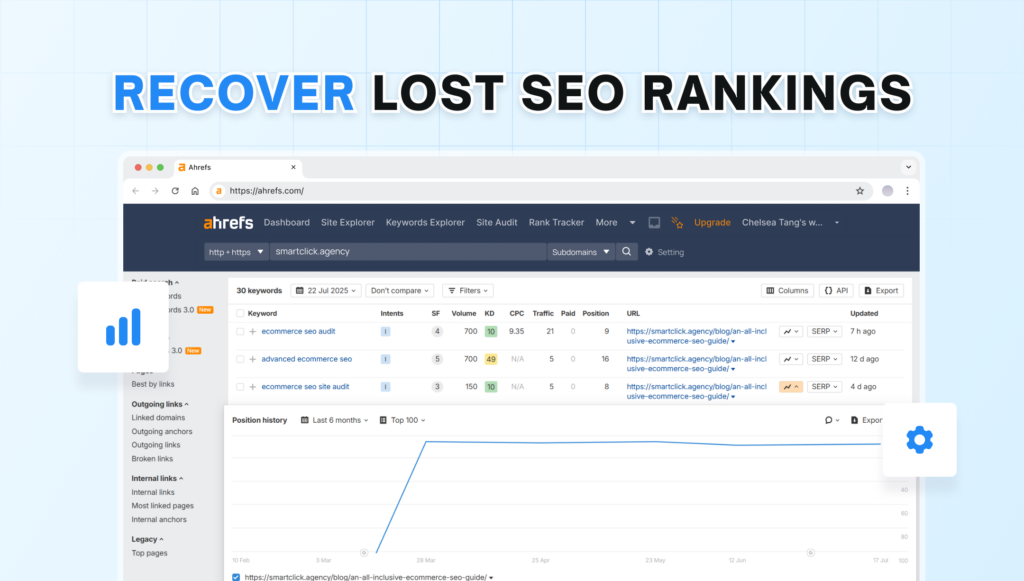
Step 1: Identify the Update Timeline
Match traffic drops with known update dates.
Step 2: Analyze Affected Pages
Identify which pages lost traffic and rankings.
Step 3: Evaluate Content Quality
Improve thin, outdated, or unhelpful content.
Step 4: Review Search Intent Alignment
Ensure content fully satisfies user intent.
Step 5: Strengthen Topical Authority
Expand coverage within topic clusters.
Step 6: Improve Internal Linking
Guide authority toward important pages.
Step 7: Fix Technical Issues
Resolve crawl, index, and performance problems.
Step 8: Improve User Experience
Enhance readability, navigation, and engagement.
Step 9: Monitor Recovery Gradually
Recovery often takes weeks or months.
What NOT to Do After an Algorithm Update
- Delete large amounts of content suddenly
- Over-optimize keywords
- Chase backlinks aggressively
How Long Does Recovery Take?
- Minor issues: 2–4 weeks
- Moderate issues: 1–3 months
- Major quality issues: 3–6 months+
Preventing Future Algorithm Hits
- Focus on content quality
- Build topical authority
- Maintain technical health
- Update content regularly
Final Thoughts
Algorithm updates reward quality and punish shortcuts. Recovery is not about tricks — it’s about aligning your website with long-term SEO best practices.
Fix foundations, not symptoms.