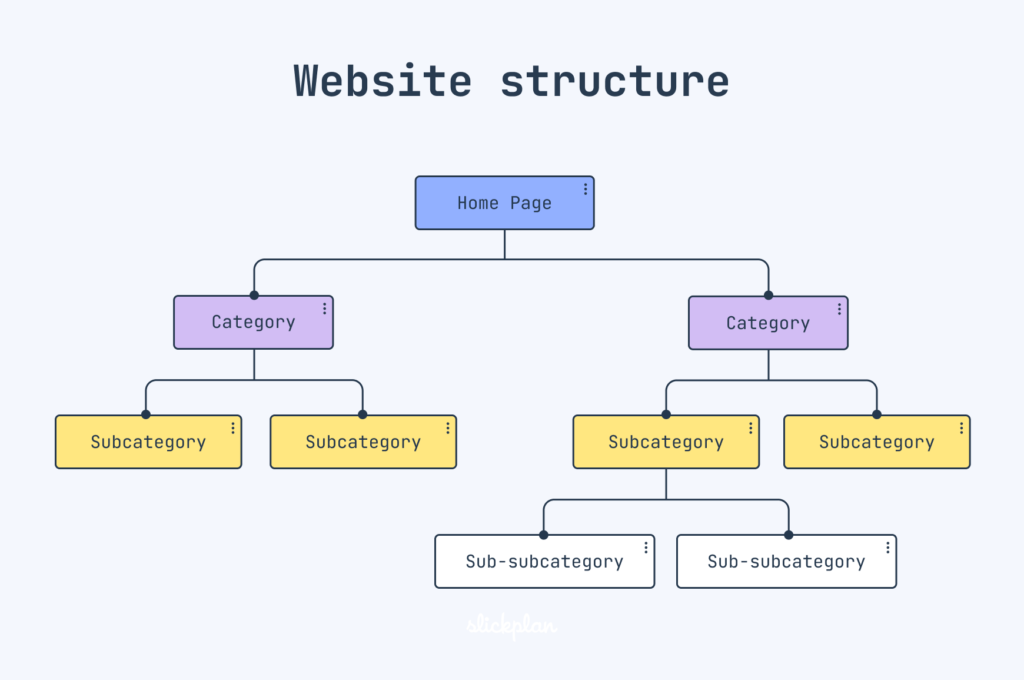
Blog categories play a major role in organizing content and helping search engines understand your website structure. Poorly structured categories can confuse both users and search engines.
This beginner guide explains how to structure blog categories for SEO in a clean and effective way.
What Are Blog Categories?
Categories group related content together and define the main topics of your website.
Why Category Structure Matters for SEO
- Improves website navigation
- Helps search engines understand content hierarchy
- Reduces duplicate content issues
- Improves internal linking
How to Structure Blog Categories for SEO
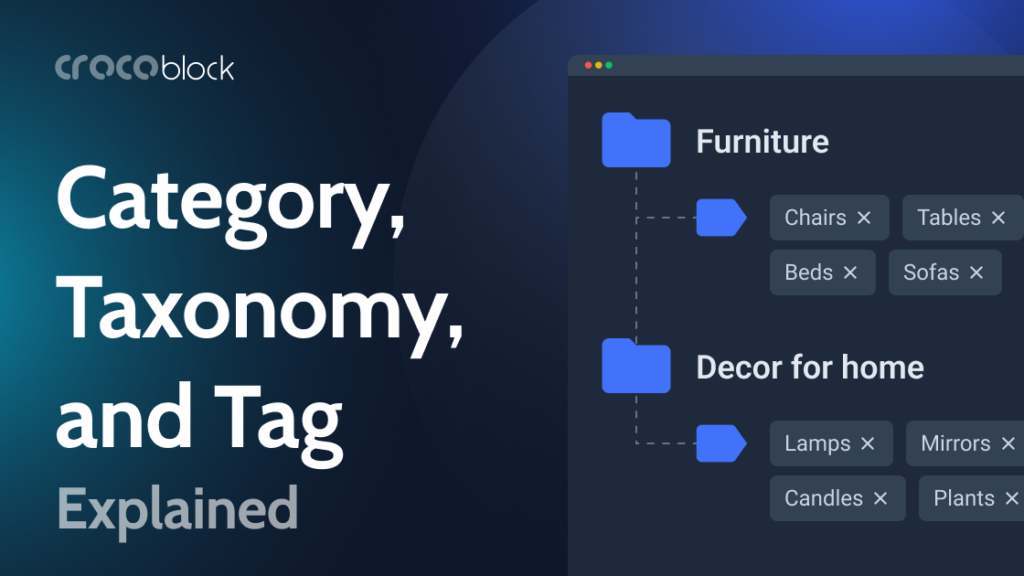
1. Choose Broad Main Categories
Create a small number of broad categories that represent your main topics.
2. Avoid Too Many Categories
Having too many categories can dilute SEO value.
3. Use Subcategories When Needed
Subcategories help organize content under broad topics.
4. Assign One Category per Post
Using one main category per post avoids confusion and duplication.
5. Use Tags Sparingly
Tags are optional and should be used only when necessary.
6. Optimize Category Names
Use clear, keyword-friendly category names.
7. Add Descriptions to Categories
Category descriptions help search engines understand the topic.
8. Interlink Posts Within Categories
Internal links strengthen topical relevance.
Common Category Structure Mistakes
- Too many overlapping categories
- Using categories as tags
- Empty or single-post categories
Example of a Clean Category Structure
- SEO
- On-Page SEO
- Technical SEO
- Blogging
- Website Optimization
Final Thoughts
A well-structured category system improves both SEO and user experience. Keep categories simple, focused, and aligned with your website goals.
Good structure today leads to better scalability tomorrow.