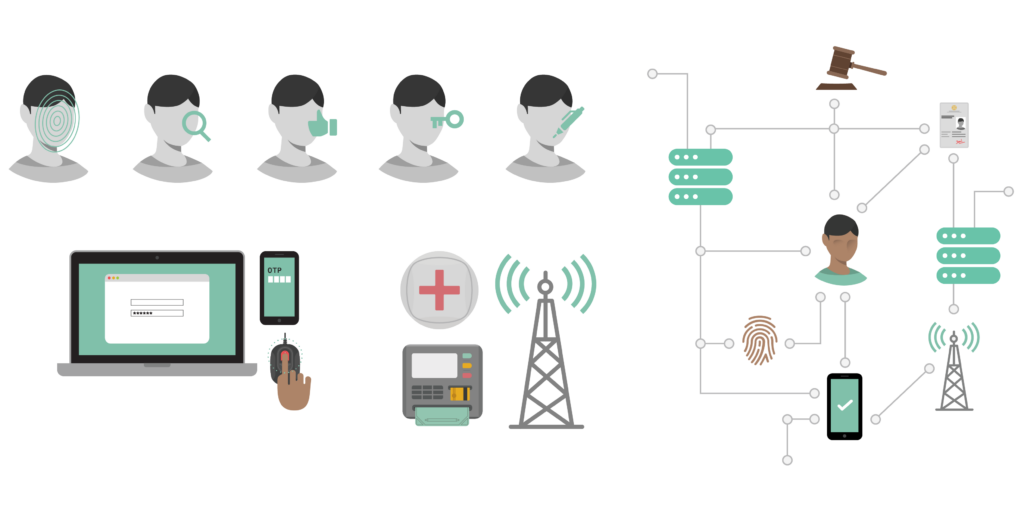
Every interaction on the internet contributes to an individual’s digital identity. From social media profiles and email accounts to online transactions and browsing activity, digital identity shapes how people are recognized and trusted online.
This article explains what digital identity is, how it is formed, and why it matters in the modern online world.
What Is Digital Identity?
Digital identity refers to the collection of data and attributes that represent a person, organization, or device online. It includes personal information, credentials, behavior patterns, and digital footprints.
Digital identity enables systems to recognize and authenticate users.
Why Digital Identity Matters
Digital identity is essential for access, security, personalization, and trust. Without reliable identity systems, online services cannot function safely.
Digital Identity in Everyday Life
From logging into accounts to making online payments, digital identity is involved in many daily activities.
Core Components of Digital Identity
Personal Information
Names, email addresses, and profile details form the foundation of identity.
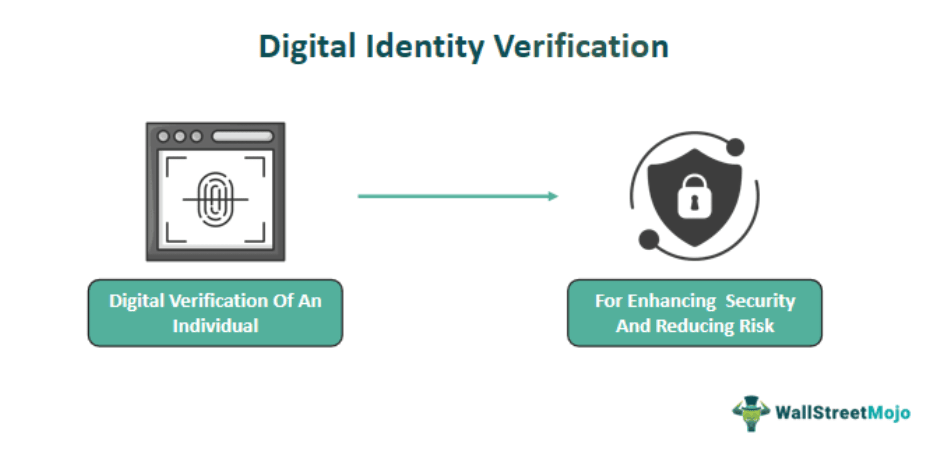
Authentication Credentials
Passwords, PINs, and verification methods confirm identity.
Behavioral Data
Usage patterns and activity history contribute to identity recognition.
Device and Network Data
Devices and connection information support identity verification.
Digital Identity vs Physical Identity
| Digital Identity | Physical Identity |
|---|---|
| Online representation | Real-world presence |
| Data-based | Document-based |
Digital Identity and Online Security
Strong identity systems protect users from fraud, impersonation, and unauthorized access.
Digital Identity in Business
Businesses rely on digital identity for customer verification, access control, and personalization.
Digital Identity and Privacy
Managing identity data responsibly is critical to protecting user privacy.
Risks Associated With Digital Identity
- Identity theft
- Data breaches
- Unauthorized tracking
- Account compromise
Digital Identity and Trust
Trust depends on reliable identity verification and ethical data practices.
Role of Digital Identity in E-Commerce
Secure identity systems support safe online transactions.
Digital Identity and Government Services
Many public services depend on digital identity systems.
Future of Digital Identity
Digital identity continues to evolve with advancements in security and authentication technologies.
Common Misconceptions About Digital Identity
- Digital identity is only usernames
- Identity data is fully controlled by users
- Digital identity is static
Final Thoughts
Digital identity is a foundational element of the online world. Understanding its role helps users and organizations navigate the digital environment responsibly.
As digital interactions increase, managing identity securely and ethically becomes increasingly important.