
Website performance and speed play a crucial role in the success of any online presence. From user satisfaction to business growth, how fast a website loads directly influences engagement, trust, and conversions.
This article explains what website performance means, why speed matters, how it affects users and businesses, and the broader impact of performance on the digital ecosystem.
What Is Website Performance?
Website performance refers to how efficiently a website loads, responds, and operates for users. It includes page load time, responsiveness, visual stability, and overall reliability.
Performance is not limited to speed alone. It also encompasses how smoothly a website behaves during interactions.
Why Website Speed Matters
Modern users expect websites to load quickly. Slow-loading pages lead to frustration, reduced engagement, and higher abandonment rates.
Speed affects first impressions and determines whether users stay or leave within seconds.
How Website Performance Impacts User Experience
- Faster pages improve usability
- Responsive sites increase engagement
- Stable layouts build trust
- Smooth interactions reduce frustration
Key Factors That Affect Website Performance
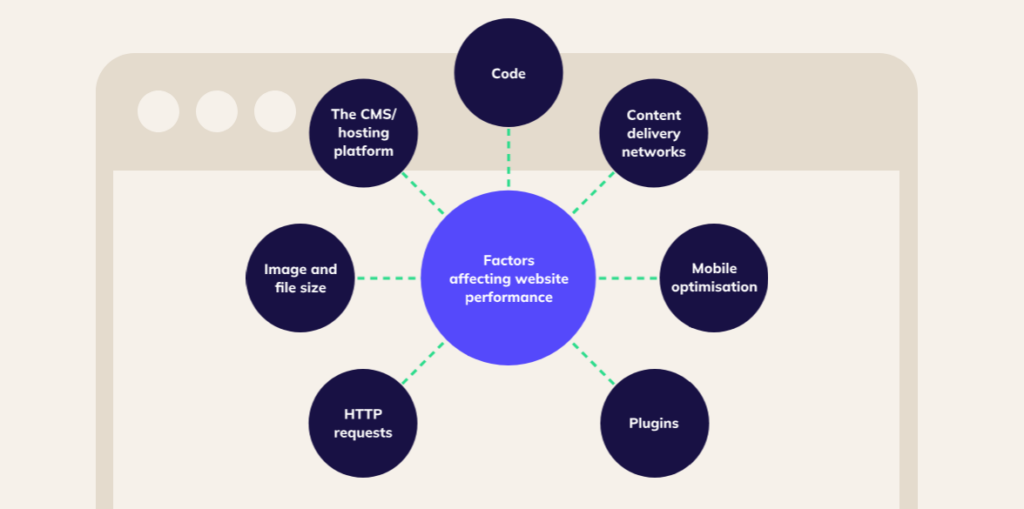
Server Performance
Server response time plays a major role in how quickly content is delivered to users.
Network Latency
Distance between users and servers affects how fast data travels.
Page Size and Assets
Large images, scripts, and media files increase load time.
Browser Rendering
How browsers process and display content impacts perceived speed.
Third-Party Scripts
External scripts can slow down page loading and interactions.
Website Speed and Search Visibility
Search engines prioritize user experience. Faster websites are more likely to perform better in search results because they provide a smoother experience.
Impact of Website Speed on Business Performance
- Higher conversion rates
- Lower bounce rates
- Improved customer satisfaction
- Increased revenue potential
Website Performance and Mobile Users
Mobile users often rely on slower or less stable connections. Optimized performance ensures accessibility across devices and environments.
Website Performance vs Website Design
| Website Performance | Website Design |
|---|---|
| Focuses on speed and responsiveness | Focuses on visuals and layout |
| Affects usability | Affects aesthetics |
| Direct impact on conversions | Indirect impact on engagement |
Common Website Performance Problems
- Slow server response
- Unoptimized images
- Excessive scripts
- Poor caching strategy
Website Performance Metrics Explained
Performance is measured using metrics such as page load time, time to interactive, and visual stability. These metrics help evaluate real user experiences.
Website Performance for E-Commerce
For online stores, speed directly affects sales. Even small delays can lead to lost revenue and reduced customer trust.
Security and Performance Relationship
Security measures must be balanced with performance. Well-implemented security does not compromise speed.
The Role of Content Delivery Networks
Content delivery networks help distribute content closer to users, improving load times and reliability.
Future of Website Performance
As web technologies evolve, performance expectations will continue to rise. Faster networks and improved browsers will push standards higher.
Common Misconceptions About Website Speed
- Only homepage speed matters
- Speed is only a technical issue
- Design must be sacrificed for performance
Final Thoughts
Website performance and speed are foundational to digital success. They influence user behavior, brand perception, and business outcomes.
In a competitive digital environment, speed is not a luxury — it is a necessity.