Website speed plays a critical role in how users experience the internet. Whether someone is browsing a blog, shopping online, or accessing business services, loading time directly influences satisfaction, trust, and engagement.
This article explains how website speed affects user experience, search visibility, and revenue, and why performance optimization is essential for long-term online success.
What Is Website Speed?
Website speed refers to how quickly a web page loads and becomes usable for visitors. It includes factors such as server response time, page load duration, and how fast content appears on screen.
Speed is not just a technical metric—it shapes perception.
Why Website Speed Matters
Modern internet users expect instant access to information. Even small delays can lead to frustration, abandonment, and reduced trust.
Website Speed and User Experience
Fast-loading websites feel more reliable, professional, and enjoyable. Slow websites increase bounce rates and reduce engagement.
Key Factors That Affect Website Speed
Web Hosting Quality
The hosting environment determines server speed, uptime, and response time.
Page Size and Media Files
Large images and unoptimized media significantly slow page loading.
Website Code and Structure
Efficient code improves rendering speed and browser performance.
Third-Party Scripts
External scripts can delay page loading if not managed properly.
Server Location and Network
Physical distance between servers and users affects response times.
Website Speed and SEO
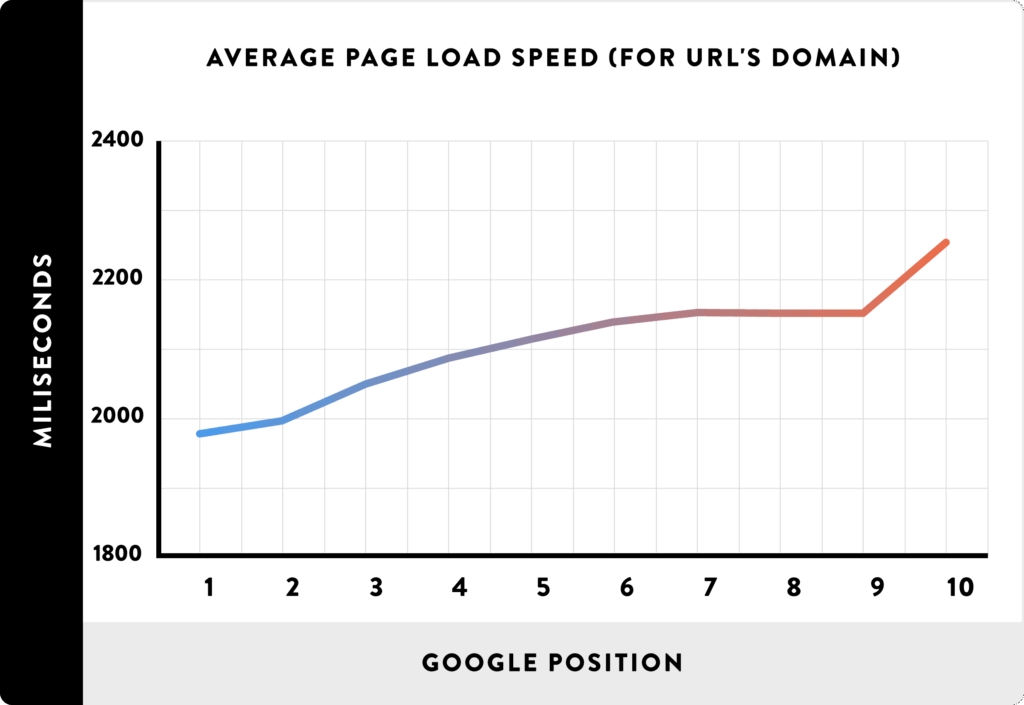
Search engines prioritize fast websites because they provide better user experiences. Page speed influences rankings, crawl efficiency, and indexing.
Impact on Mobile Users
Mobile users are particularly sensitive to speed due to network limitations and device constraints.
Website Speed and Conversion Rates
Faster websites convert better. Speed influences checkout completion, form submissions, and user confidence.
Speed vs Performance: What’s the Difference?
| Website Speed | Website Performance |
|---|---|
| Load time | Overall responsiveness |
| Initial page load | User interaction experience |
Website Speed and Brand Trust
Slow websites can appear unreliable or outdated, reducing brand credibility.
Speed Challenges for Content Websites
Media-heavy content, ads, and scripts require careful performance management.
Website Speed for Businesses
Businesses depend on speed to retain customers and remain competitive.
Website Speed for Blogs and Publishers
Fast-loading articles improve session duration and ad performance.
Common Website Speed Issues
- Unoptimized images
- Slow hosting servers
- Excessive plugins
- Render-blocking resources
Website Speed and Advertising Revenue
Ad impressions, viewability, and user retention are directly influenced by load speed.
Measuring Website Speed
Performance metrics help identify bottlenecks and improvement opportunities.
Future Expectations for Website Speed
As technology advances, user expectations for speed will continue to rise.
Common Misconceptions About Website Speed
- Speed only matters for large websites
- Hosting alone determines performance
- Speed optimization is a one-time task
Final Thoughts
Website speed is a critical factor in online success. It affects user satisfaction, search visibility, and revenue generation.
Fast websites build trust, improve engagement, and support sustainable growth in a competitive digital environment.