
Internet privacy has become a major concern in the digital age. As people browse websites, use mobile apps, and interact online, vast amounts of data are collected, analyzed, and sometimes monitored by different entities.
This article explains internet privacy, how online surveillance works, who monitors online activities, and the broader implications for individuals and businesses.
What Is Internet Privacy?
Internet privacy refers to the level of control individuals have over their personal information and online activities. It includes how data is collected, stored, shared, and used.
Online privacy is closely connected to trust, transparency, and data protection practices.
Why Internet Privacy Matters
Personal data can reveal habits, preferences, locations, and identities. Without privacy protections, this information can be misused or exposed.
Internet privacy safeguards freedom of expression, security, and personal autonomy.
What Is Online Surveillance?
Online surveillance involves monitoring, collecting, and analyzing internet activities. Surveillance can be conducted for security, analytics, advertising, or regulatory purposes.
How Online Activities Are Monitored
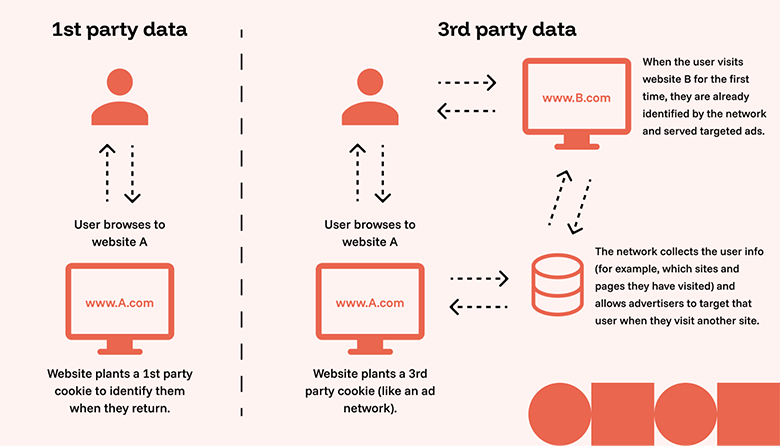
Cookies and Tracking Technologies
Cookies store small pieces of data that track user preferences and browsing behavior.
IP Address Tracking
IP addresses can reveal approximate location and network details.
Browser Fingerprinting
Browser characteristics are used to identify users without cookies.
Account-Based Tracking
Logged-in accounts allow platforms to track activities across devices.
Network Monitoring
Internet traffic may be monitored by service providers for management and security purposes.
Who Monitors Online Activities?
- Websites and app providers
- Advertising networks
- Internet service providers
- Government agencies
- Cybersecurity systems
Internet Privacy vs Internet Security
| Internet Privacy | Internet Security |
|---|---|
| Control over personal data | Protection against threats |
| Data usage transparency | Defense against attacks |
Benefits of Online Surveillance
- Fraud detection
- Cyber threat prevention
- Service optimization
- Personalized experiences
Risks of Excessive Surveillance
- Loss of privacy
- Data misuse
- Unauthorized access
- Reduced trust
Internet Privacy for Businesses
Businesses must balance data collection with responsible privacy practices to maintain trust and comply with regulations.
Internet Privacy for Individuals
Individuals benefit from understanding how their data is used and exercising control where possible.
Privacy Laws and Online Monitoring
Many regions have introduced laws to regulate data collection and surveillance practices.
Ethical Considerations in Internet Surveillance
Ethics play a key role in determining acceptable levels of monitoring and transparency.
Internet Privacy and Emerging Technologies
New technologies continue to raise questions about data usage, monitoring, and consent.
Common Misconceptions About Internet Privacy
- Privacy no longer exists online
- Only illegal activities are monitored
- Privacy tools guarantee anonymity
The Future of Internet Privacy
As digital ecosystems evolve, privacy frameworks and surveillance practices will continue to adapt.
Final Thoughts
Internet privacy and surveillance are complex and interconnected topics. Understanding how online activities are monitored empowers individuals and organizations to navigate the digital world responsibly.
Privacy is not about hiding — it is about control, transparency, and trust.