Technology enables businesses to operate faster, reach wider audiences, and make data-driven decisions. However, increased dependence on digital systems also introduces a wide range of risks that organizations must understand and manage carefully.
This article explains the most important technology risks businesses face today, how these risks arise, and why awareness is essential for long-term stability and growth.
What Are Technology Risks?
Technology risks refer to potential problems, failures, or vulnerabilities associated with the use of digital systems, software, hardware, and data. These risks can disrupt operations, harm reputation, and result in financial losses.
Technology risks are not limited to technical failures. They also include human, legal, and strategic factors.
Why Technology Risks Matter for Businesses
As organizations digitize operations, even minor technical issues can have major consequences. Downtime, data exposure, or system failures can directly affect customers and revenue.
Understanding technology risks allows businesses to make informed decisions and build resilience.
Major Categories of Technology Risks
Cybersecurity Risks
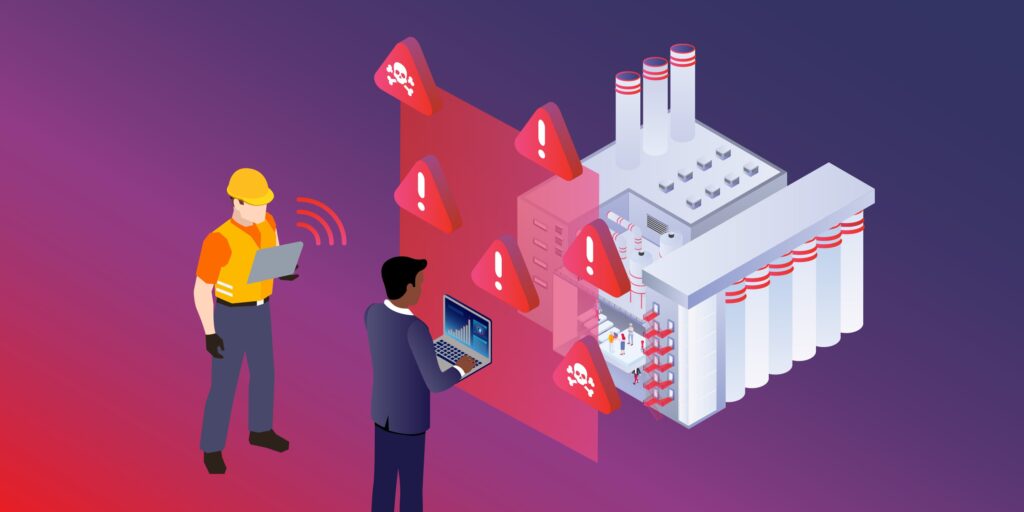
Cyber threats such as malware, phishing, and unauthorized access remain one of the biggest technology risks for businesses. Data breaches can expose sensitive customer and company information.
Data Privacy Risks
Improper handling of personal or sensitive data can lead to legal penalties and loss of trust. Privacy-related risks increase as data volumes grow.
Operational Risks
System outages, hardware failures, or software bugs can interrupt business operations and reduce productivity.
Third-Party and Vendor Risks
Many businesses rely on external technology providers. Issues with vendors can directly affect service availability and data security.
Compliance and Regulatory Risks
Failure to comply with technology-related regulations can result in fines and legal challenges.
Technology Obsolescence
Rapid technological change can render systems outdated, increasing maintenance costs and reducing competitiveness.
Common Causes of Technology Risks
- Lack of security awareness
- Poor system maintenance
- Overreliance on outdated technology
- Inadequate vendor oversight
- Rapid, unmanaged digital growth
Impact of Technology Risks on Businesses
- Financial losses
- Operational downtime
- Reputational damage
- Loss of customer trust
- Regulatory penalties
Technology Risks for Small vs Large Businesses
| Small Businesses | Large Businesses |
|---|---|
| Limited resources | Complex systems |
| Higher impact per incident | Higher volume of data |
| Fewer security specialists | Greater compliance obligations |
Human Factors in Technology Risks
Employees play a significant role in technology risks. Human error, lack of training, and poor security practices can expose systems to threats.
Technology Risks in Remote and Hybrid Work
Remote work environments increase exposure to unsecured networks, personal devices, and access management challenges.
Managing Technology Risks
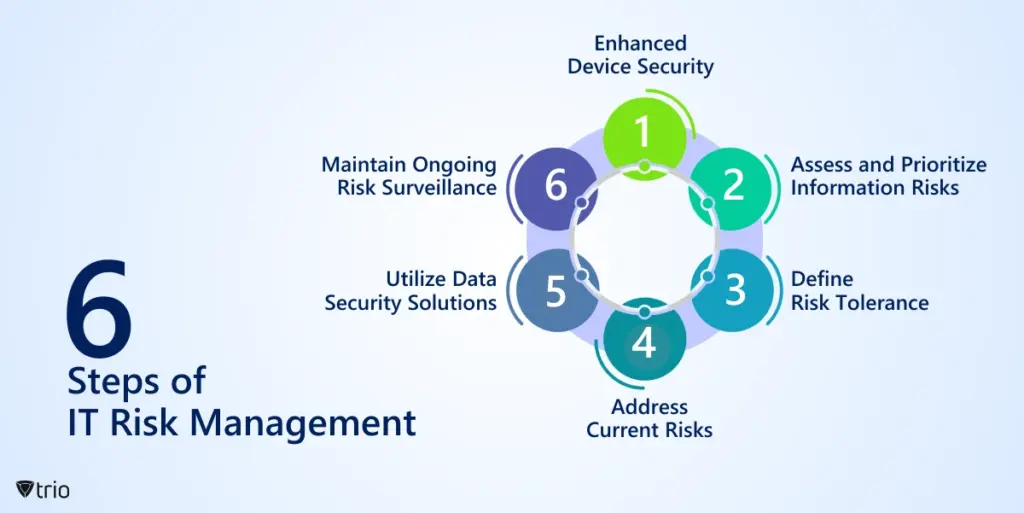
Effective risk management involves understanding potential threats, monitoring systems, and adopting responsible technology practices.
Technology Risk vs Business Risk
Technology risks are closely tied to overall business risk. Digital disruptions can quickly translate into strategic and financial challenges.
Balancing Innovation and Risk
While innovation drives growth, adopting new technology without proper evaluation can increase exposure to risk.
Future Technology Risks
As digital ecosystems grow more complex, businesses will face new risks related to automation, data usage, and system integration.
Common Misconceptions About Technology Risks
- Only large companies face serious risks
- Technology risks are purely technical
- Security tools eliminate all threats
Final Thoughts
Technology risks are an inevitable part of digital operations. Awareness, planning, and responsible management help organizations reduce exposure and respond effectively to challenges.
Understanding risks is not about avoiding technology — it is about using it wisely.