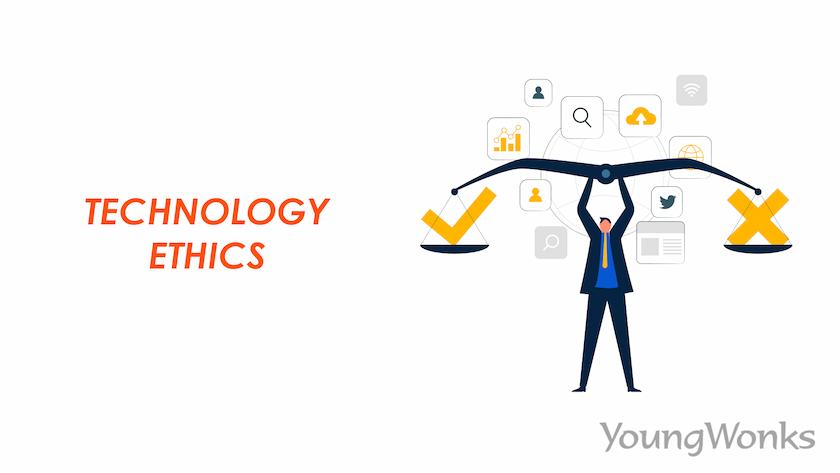
Modern technology influences nearly every aspect of daily life, from communication and healthcare to business operations and governance. As digital systems grow more powerful, ethical considerations have become increasingly important.
This article explores the ethics of modern technology, highlighting key challenges, responsibilities, and the broader impact on individuals, businesses, and society.
What Are Technology Ethics?
Technology ethics refers to the principles and values that guide the development, deployment, and use of digital technologies. It focuses on ensuring technology benefits society while minimizing harm.
Ethical technology emphasizes fairness, accountability, transparency, and respect for human rights.
Why Ethics Matter in Technology
Technological decisions can have far-reaching consequences. Ethical considerations help prevent misuse, protect individuals, and build trust in digital systems.
Key Ethical Challenges in Modern Technology
Data Privacy and Consent
Collecting and using personal data without clear consent raises serious ethical concerns.
Bias and Fairness
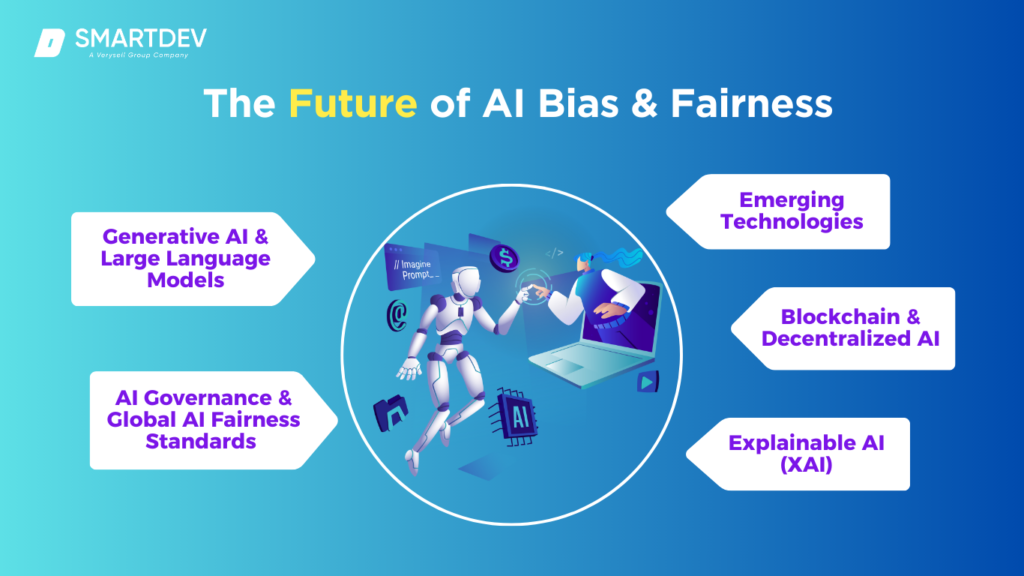
Algorithms can reflect biases present in data, leading to unfair outcomes.
Transparency and Accountability
Understanding how technology makes decisions is essential for trust and responsibility.
Surveillance and Monitoring
Balancing security with individual privacy presents ongoing ethical dilemmas.
Automation and Job Displacement
Ethical questions arise around workforce impact and economic inequality.
Ethics in Artificial Intelligence
AI ethics focuses on responsible development, fairness, explainability, and human oversight.
Ethics in Data Collection and Usage
Organizations must handle data responsibly, respecting user rights and minimizing unnecessary collection.
Technology Ethics in Business
Businesses face ethical responsibilities related to customer trust, data protection, and societal impact.
Ethical Responsibilities of Technology Developers
Developers play a critical role in embedding ethical principles into systems from the design stage.
Ethical Responsibilities of Organizations
Organizations must establish ethical frameworks, policies, and oversight mechanisms.
Technology Ethics and Regulation
Governments and regulators introduce guidelines to ensure ethical technology use.
Ethics vs Innovation
Ethics and innovation are not opposing forces. Responsible innovation ensures long-term success.
Ethical Technology in Healthcare
Ethical considerations are critical when technology impacts health, safety, and well-being.
Ethical Technology in Finance
Financial technologies must balance efficiency with fairness and transparency.
Ethical Challenges in Emerging Technologies
- Artificial intelligence
- Biometric systems
- Autonomous technologies
- Data-driven platforms
Technology Ethics and Society
Ethical technology influences social trust, inclusion, and long-term societal progress.
Common Misconceptions About Technology Ethics
- Ethics slows innovation
- Ethical concerns are theoretical
- Technology is neutral
Future of Technology Ethics
As technology advances, ethical frameworks will continue to evolve to address new challenges.
Final Thoughts
Ethics in modern technology is essential for responsible progress. By prioritizing ethical considerations, societies can harness innovation while protecting fundamental values.
Responsible technology is not optional — it is necessary for sustainable digital growth.